Indoor air purifying plants are among the simplest and most rewarding ways to improve the air you breathe at home, reduce everyday stress, and bring natural beauty into your living space. If you’ve been wondering which houseplants actually clean the air and which are just hype, this guide separates fact from marketing with science backed recommendations, honest care advice, and the real world nuances most articles ignore.
The short answer: yes, certain houseplants can absorb volatile organic compounds (VOCs) like formaldehyde and benzene. But the effect in a typical home is modest compared to proper ventilation. Where these plants truly shine is in their proven ability to lower stress, sharpen focus, and create a more calming environment. The best approach is to treat them as one part of a broader strategy for healthier indoor living, not a replacement for opening your windows.
Table of Contents
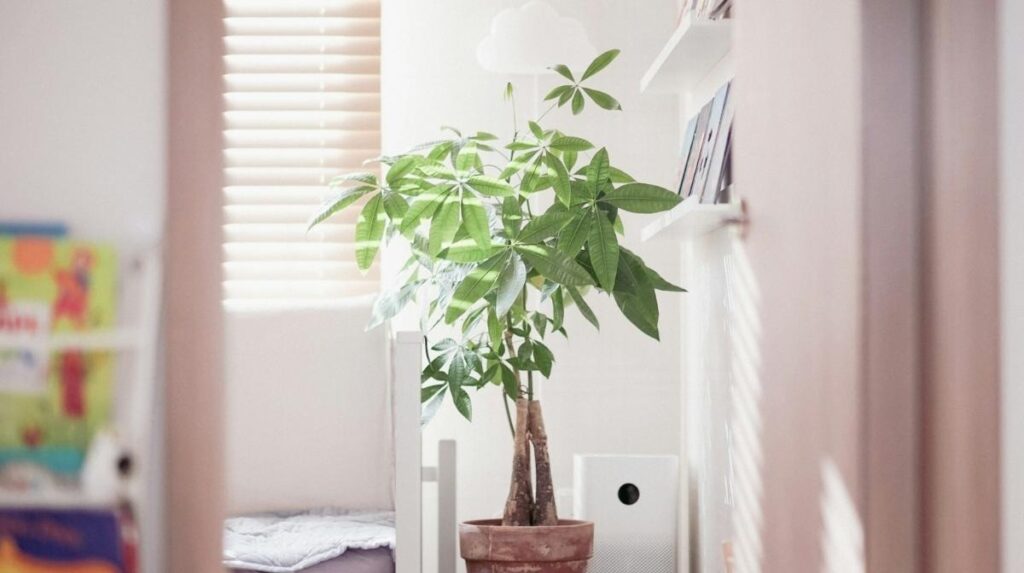
Do Houseplants Actually Clean Indoor Air? What Science Really Says
Plants can absorb airborne toxins, but the real world effect is smaller than most blogs claim.
The idea that houseplants purify air traces back to the 1989 NASA Clean Air Study, led by researcher B.C. Wolverton at Stennis Space Center. That landmark project tested common houseplants inside sealed chambers and found they could remove volatile organic compounds including benzene, formaldehyde, and trichloroethylene. The results were impressive, and the study became one of the most cited pieces of plant research in popular media.
However, context matters. Those experiments took place in small, airtight chambers designed to simulate space station conditions, not living rooms. A 2019 meta analysis reviewed by the American Lung Association found that to replicate the same VOC reduction in a typical 1,500 square foot home, you would need roughly 10 to 1,000 plants per square meter of floor space. In practice, normal building ventilation (air flowing through windows, doors, and HVAC systems) removes indoor pollutants far more efficiently than a handful of potted plants.
This does not mean houseplants are useless for air quality. It means their air filtering benefit is real but modest in a normal home setting. Where the evidence is much stronger, and frankly more exciting, is in the mental health and cognitive benefits these plants provide.
The Proven Mental Health Benefits of Keeping Houseplants
Houseplants reduce stress, lower blood pressure, and improve focus according to multiple peer reviewed studies.
A study published in the Journal of Physiological Anthropology found that participants who interacted with indoor plants experienced significantly lower blood pressure and reduced sympathetic nervous system activity compared to those who performed a computer based task. Participants reported feeling “comfortable, soothed, and natural” after working with plants.
Research from Texas A&M University confirms that being around houseplants can lower cortisol, the body’s primary stress hormone. Professor Charlie Hall, who has published extensively on plant health benefits, notes that the impact includes enhanced memory retention, reduced effects of dementia, and greater life satisfaction.
A 2022 systematic review with meta analyses published in PMC synthesized findings from dozens of studies and concluded that indoor plants exert a positive effect on stress reduction, cognitive performance, and overall health outcomes. The review found measurable improvements in blood pressure and academic achievement among people regularly exposed to living plants.
Even workplace research supports this. A study from the University of Hyogo in Japan, published in HortTechnology, found that office workers who kept a small plant on their desk experienced measurable reductions in both psychological and physiological stress during the workday.
The 10 Best Air Purifying Houseplants (With Honest Care Ratings)
Here are the ten most effective species for improving your indoor environment, organized with practical details most guides leave out.
| Plant | Toxins Targeted | Light Needs | Watering | Pet Safe? | Difficulty |
| Snake Plant | Benzene, formaldehyde, nitrogen oxides | Low to bright indirect | Every 2 to 3 weeks | No (toxic to cats and dogs) | Very Easy |
| Spider Plant | Formaldehyde, xylene | Bright indirect | Weekly | Yes | Very Easy |
| Peace Lily | Ammonia, benzene, formaldehyde, trichloroethylene | Low to medium indirect | Weekly (when soil is dry) | No (toxic to pets) | Easy |
| Boston Fern | Formaldehyde, xylene, toluene | Bright indirect, no direct sun | Keep soil consistently moist | Yes | Moderate |
| Areca Palm | Formaldehyde, xylene, toluene | Bright indirect | When top inch of soil is dry | Yes | Easy |
| Rubber Plant | Formaldehyde, carbon dioxide | Medium to bright indirect | Every 1 to 2 weeks | No (toxic to pets) | Easy |
| Pothos (Devil’s Ivy) | Formaldehyde, benzene, xylene | Low to bright indirect | When soil dries out | No (toxic to pets) | Very Easy |
| Aloe Vera | Formaldehyde, benzene | Bright indirect to direct | Every 2 to 3 weeks | No (toxic to cats and dogs) | Very Easy |
| English Ivy | Mold spores, formaldehyde, benzene | Medium to bright indirect | Keep soil lightly moist | No (toxic to pets) | Moderate |
| Bamboo Palm | Formaldehyde, benzene, trichloroethylene | Low to medium indirect | When top soil dries | Yes | Easy |
1. Snake Plant (Sansevieria trifasciata): The Unkillable Bedroom Champion
The snake plant is the single best starting point for anyone new to keeping houseplants. It tolerates neglect, thrives in low light, and only needs watering every two to three weeks. What makes it particularly valuable for bedrooms is its ability to perform a type of photosynthesis called CAM (Crassulacean Acid Metabolism), which means it continues converting carbon dioxide to oxygen at night when most other plants stop.
The NASA study found it effective at removing benzene, formaldehyde, and nitrogen oxides from sealed environments. It is mildly toxic to cats and dogs if ingested, so pet owners should place it on a high shelf or choose a pet safe alternative.
2. Spider Plant (Chlorophytum comosum): Best Pet Safe Option for Beginners
Spider plants are nearly indestructible and completely non toxic to cats and dogs, making them the top choice for pet owning households. They produce cascading baby “spiderettes” that can be easily propagated, giving you free plants for every room. They prefer bright indirect light but will tolerate lower conditions. NASA’s research showed them effective against formaldehyde and xylene, common VOCs released by plywood, adhesives, and some cleaning products.
3. Peace Lily (Spathiphyllum): Best for Low Light Spaces
The peace lily is one of the few flowering houseplants that thrives in genuinely low light conditions, making it ideal for bathrooms, hallways, and interior rooms without windows nearby. The NASA study identified it as one of the most versatile air filtering plants, targeting ammonia, benzene, formaldehyde, and trichloroethylene. Its white blooms add elegance to any space. The trade off is that it is toxic to pets, so it must be kept out of reach of curious cats and dogs.
4. Boston Fern (Nephrolepis exaltata): The Natural Humidifier
Boston ferns are exceptional at increasing indoor humidity through transpiration, which benefits dry skin, scratchy throats, and respiratory comfort during winter months. They also rank among the most effective plants for removing formaldehyde and xylene. The catch is that they require consistent moisture, regular misting, and indirect light. They are pet safe and look stunning in hanging baskets, where their arching fronds can cascade freely.
5. Areca Palm (Dypsis lutescens): Best Statement Plant for Living Rooms
If you want a plant that functions as both a natural air freshener and a dramatic design element, the areca palm is hard to beat. Its feathery, arching fronds can reach several feet in height, and the plant releases significant moisture into the air through transpiration. It is effective at filtering formaldehyde and xylene, non toxic to pets, and easy to maintain with weekly watering and bright indirect light.
6. Rubber Plant (Ficus elastica): Low Maintenance Toxin Absorber
The rubber plant’s broad, glossy leaves are not just visually striking; they provide a large surface area for absorbing airborne formaldehyde and converting carbon dioxide into oxygen. This species tolerates medium light and infrequent watering, making it forgiving for people who forget to check on their plants regularly. It grows steadily into an impressive floor plant over time. Keep it away from pets, as its milky sap can cause irritation if chewed.
7. Pothos (Epipremnum aureum): The Trailing Workhorse
Pothos is arguably the hardest houseplant to kill, which is why it shows up in offices, dorm rooms, and kitchens everywhere. It thrives in low light, tolerates irregular watering, and grows quickly as a trailing vine or climber. NASA’s research found it effective against formaldehyde, benzene, and xylene. It is toxic to pets if ingested, so hanging it in a basket or placing it on a high shelf keeps it safely out of reach.
8. Aloe Vera: Double Duty Plant for Air and Skin
Aloe vera removes formaldehyde and benzene while also producing a gel widely used for burns, skin irritation, and minor wounds. It thrives in bright light and needs watering only every two to three weeks, making it perfect for sunny kitchen windowsills. One practical tip: if the leaves start turning brown, it is getting too much direct sun. Aloe is mildly toxic to cats and dogs, so pet households should position it carefully.
9. English Ivy (Hedera helix): Best for Bathrooms and Mold Prone Rooms
English ivy is uniquely effective at reducing airborne mold spores, which makes it an excellent choice for bathrooms, laundry rooms, and basements where moisture accumulates. It grows vigorously as a trailing or climbing vine and prefers consistent moisture with medium to bright indirect light. Research has consistently identified it as one of the more effective species for removing formaldehyde and benzene. It is toxic to pets, so it should be hung well above floor level.
10. Bamboo Palm (Chamaedorea seifrizii): Best Pet Safe Statement Plant
For pet owners who want a larger, visually dramatic plant without the toxicity risk, bamboo palm is the answer. It is completely non toxic to cats and dogs, effective at filtering formaldehyde and trichloroethylene, and thrives in low to medium indirect light. It also releases considerable moisture through transpiration, naturally boosting humidity in dry rooms. It works beautifully as a floor plant in living rooms or home offices.
Room by Room Placement Guide
Choosing the right plant for each room maximizes both aesthetic impact and functional benefit.
Bedroom: Snake plant or aloe vera, both of which produce oxygen at night through CAM photosynthesis, supporting better sleep quality.
Living Room: Areca palm or rubber plant as a dramatic floor piece, with spider plants or pothos on shelves for layered greenery.
Bathroom: English ivy or Boston fern, both of which thrive in higher humidity and help reduce mold spores.
Home Office: A small peace lily or pothos on the desk. The University of Hyogo workplace study found that even a single desk plant measurably reduced psychological and physiological stress in office workers.
Kitchen: Aloe vera on a sunny windowsill for both air cleaning and easy access to its soothing gel for minor burns.
Five Care Mistakes That Kill Air Cleaning Houseplants
Most houseplant deaths come down to the same handful of errors.
Overwatering is the number one killer. More houseplants die from soggy roots than from any other cause. Always check whether the top inch of soil is dry before adding water, and make sure every pot has drainage holes.
Placing plants in direct sunlight when they need indirect light causes leaf burn and dehydration. Most tropical species on this list evolved under a forest canopy and prefer filtered, ambient brightness.
Ignoring dust on leaves reduces a plant’s ability to photosynthesize and absorb airborne compounds. Wipe large leaves with a damp cloth every two weeks.
Using pots without drainage traps excess water around roots, leading to rot and fungal growth. Always choose pots with holes or use a nursery pot inside a decorative cover.
Skipping fertilizer entirely leaves plants nutrient starved over time. A balanced liquid fertilizer applied once a month during spring and summer keeps most species healthy and growing.
Plants Plus Ventilation: The Smartest Indoor Air Strategy
Houseplants work best as one component of a broader approach to healthy indoor air, not a standalone solution.
As the American Lung Association emphasizes, the most effective way to reduce indoor VOCs is through proper ventilation, including opening windows regularly, using exhaust fans in kitchens and bathrooms, and maintaining HVAC systems. Adding air purifying houseplants to a well ventilated home creates a layered strategy: mechanical ventilation handles the heavy lifting of pollutant removal, while plants contribute supplemental filtering, humidity regulation, and significant mental health benefits.
This combination approach is both more honest and more effective than relying on plants alone. Think of your houseplants as the finishing touch on a healthy home, not the foundation.
Conclusion
The best indoor air purifying plants offer a genuine, science backed combination of modest toxin removal, proven stress reduction, improved focus, and natural beauty. The key is setting realistic expectations: a snake plant will not replace your HVAC system, but it will help you sleep better, feel calmer, and enjoy a more inviting home. Start with one or two easy species like pothos or a spider plant, place them where you spend the most time, and build your collection gradually as your confidence grows.
If this guide helped you decide which plant to try first, share it with a friend who could use a little more green in their life. And if you already keep houseplants, drop a comment with your favorite species and the room where it thrives. Your experience might help someone else get started.
Do indoor plants really purify the air in your home?
Plants can absorb certain volatile organic compounds like formaldehyde and benzene, as demonstrated in the 1989 NASA Clean Air Study. However, a 2019 meta analysis found that you would need hundreds of plants to match the air cleaning effect of simply opening a window, so their benefit in a typical home is modest and best combined with proper ventilation.
Which air purifying plant is best for bedrooms?
The snake plant is widely considered the best bedroom choice because it converts carbon dioxide to oxygen at night through CAM photosynthesis. Most other houseplants release carbon dioxide after dark, making the snake plant uniquely suited to improving air quality while you sleep.
Are air purifying houseplants safe for cats and dogs?
Some are and some are not. Spider plants, Boston ferns, areca palms, and bamboo palms are all non toxic to cats and dogs. Peace lilies, pothos, English ivy, rubber plants, and aloe vera are toxic if ingested by pets and should be placed out of reach.
How many plants do I need to improve air quality in one room?
For meaningful air filtering, research suggests you would need an impractical number of plants, but for stress reduction and humidity benefits, even one or two plants per room make a measurable difference. A reasonable starting point is two to three medium sized plants in each room where you spend significant time.
What is the easiest indoor plant to keep alive?
Pothos and snake plants are the most forgiving species for beginners. Both tolerate low light, irregular watering, and a wide range of temperatures. They are extremely difficult to kill and grow steadily with minimal attention, making them ideal first plants.
Can houseplants help with anxiety and stress?
Yes. Multiple peer reviewed studies, including research published in the Journal of Physiological Anthropology, have found that interacting with indoor plants lowers blood pressure, reduces cortisol levels, and promotes feelings of calm and comfort. Even keeping a single small plant on a desk has been shown to reduce workplace stress.