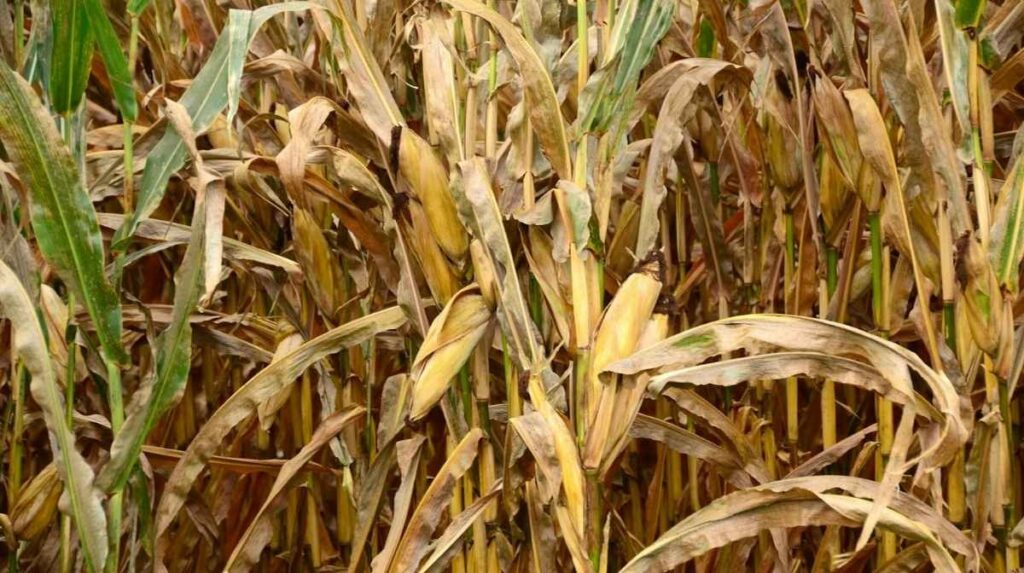
Crop failure occurs when agricultural yields drop so severely that farmers cannot recover their investment, feed their communities, or sustain their livelihoods, and it is now one of the most urgent threats facing global food security. Whether triggered by drought, flooding, pest outbreaks, or soil exhaustion, the consequences ripple far beyond the farm gate, destabilizing food prices, deepening poverty, and threatening the nutritional wellbeing of billions.
This is not a distant problem. According to the American Farm Bureau Federation, U.S. farmers alone faced an estimated $9.4 billion in uncovered agricultural losses in 2024, bringing the three year total to over $26 billion in damages that fell outside crop insurance and existing disaster aid programs. Globally, the situation is even more alarming, with climate change accelerating the frequency and severity of harvest collapses across every inhabited continent.
This guide explains why harvests fail, who is most affected, how much it costs, and what can be done to build more resilient food systems.
Table of Contents
What Exactly Is Crop Failure and Why Does It Matter?
A harvest is considered a failure when actual yields fall dramatically below what was expected given normal growing conditions. This can range from partial losses on individual farms to total wipeouts across entire regions. Unlike a modest dip in production, a true agricultural collapse overwhelms a farmer’s ability to break even and often cascades into broader food supply disruptions.
The significance goes well beyond farming economics. When staple grains like wheat, rice, or maize fail across major producing regions simultaneously, the effects are felt in grocery stores, refugee camps, and government budgets worldwide. A 2024 study published in Nature Communications found that such failures are potentially predictable much further in advance than previously thought, using El Nino Southern Oscillation forecasts, which underscores both the scale of the risk and the opportunity for early intervention.
The Five Root Causes of Agricultural Harvest Collapse
Understanding why yields collapse is the first step toward prevention. The causes are often interconnected, with one trigger amplifying another.
1. Climate Change and Extreme Weather
Rising global temperatures are fundamentally reshaping growing conditions. A 2025 Stanford University study published in the Proceedings of the National Academy of Sciences found that global yields of barley, maize, and wheat are already 4 to 13 percent lower than they would have been without climate trends. Heat stress, shifting rainfall, and more frequent droughts are quietly eroding productivity even in years without headline disasters.
The damage from extreme events is more visible. Carbon Brief’s global analysis of media reports from 2023 to 2025 documented crop destroying weather events on every continent, from cyclones devastating rice in Bangladesh to drought ruining maize and sesame in Myanmar. Each event reinforces a pattern: the weather farmers have relied on for generations is becoming increasingly unpredictable.
2. Pests and Plant Diseases
Biological threats account for a staggering share of global losses. According to the Food and Agriculture Organization (FAO), up to 40 percent of global crop production is lost to plant pests and diseases every year. These losses cost the world economy over $220 billion annually, with invasive insects alone responsible for at least $70 billion in damage.
Climate change is making the problem worse. A scientific review coordinated by the FAO found that warming temperatures are expanding the geographic range of destructive pests like fall armyworm and desert locusts, while also enabling new pathogens to establish themselves in regions that were previously too cool. Half of all emerging plant diseases are now spread through global travel and trade, making containment an increasingly complex challenge.
3. Soil Degradation and Nutrient Depletion
Healthy soil is the foundation of productive agriculture, but decades of intensive farming, overgrazing, and deforestation have degraded vast areas of cropland worldwide. When soil loses its organic matter, structure, and microbial life, it can no longer retain moisture or deliver nutrients to plant roots effectively. Crops planted in exhausted soil are weaker, more vulnerable to stress, and far more likely to fail when conditions turn unfavorable.
Erosion compounds the damage. Wind and water strip away topsoil that took centuries to form, leaving behind compacted, infertile ground. Research from the CABI Global Burden of Crop Loss initiative highlights that pre harvest losses from soil related factors remain poorly quantified, making it difficult for policymakers to allocate resources effectively.
4. Water Scarcity and Mismanagement
Agriculture consumes roughly 70 percent of the world’s freshwater withdrawals, yet many farming regions face chronic water shortages that are worsening year by year. When irrigation systems fail, groundwater reserves are depleted, or monsoon rains arrive late or not at all, the results can be catastrophic. Crops like rice, which require flooded fields during key growth stages, are especially vulnerable.
The 2022 drought in California’s rice belt forced growers to plant only half their normal acreage, costing the region an estimated $703 million in lost economic activity according to the World Economic Forum. Similar stories are unfolding across South Asia, sub Saharan Africa, and the Middle East, where competition for shrinking water supplies is intensifying.
5. Armed Conflict and Economic Disruption
Wars and political instability destroy agricultural infrastructure, displace farming communities, and sever supply chains. When farmers cannot access seeds, fertilizer, fuel, or markets, yields plummet regardless of weather conditions. The disruption of Ukrainian grain exports following the 2022 conflict demonstrated how quickly a regional crisis can trigger global food price spikes, pushing millions more people into food insecurity.
Economic shocks, including currency collapses, trade restrictions, and input cost surges, create similar pressures. When fertilizer or fuel prices spike beyond what smallholder farmers can afford, fields go unplanted or under fertilized, virtually guaranteeing reduced harvests.
How Bad Is It? The Scale of Global Harvest Losses
The numbers paint a sobering picture. Crop failure is not a rare catastrophe; it is an ongoing, escalating crisis.
According to Woodwell Climate Research Center, yield failures in the world’s major breadbasket regions are projected to be 4.5 times more likely by 2030 and up to 25 times more likely by 2050 compared to current rates. By mid century, the world could face a rice or wheat failure every other year, with the probability of maize and soybean failures even higher. A synchronized collapse across all four major staple crops becomes a possibility roughly every 11 years.
A 2025 study published in Nature examined how six staple crops would perform under moderate warming even when factoring in farmer adaptation. The findings were stark: average global yields could decline by more than 11 percent by the end of the century, with the world’s major breadbasket regions, including the United States and Europe, facing the largest absolute losses.
The United Nations Development Programme (UNDP) warns that the world’s poorest countries will be hit hardest, with median national yields projected to fall 25 to 30 percent under high emission scenarios. Sub Saharan Africa and parts of South Asia, where farmers depend heavily on rainfall and have fewer resources to adapt, face the steepest declines.
Who Suffers Most When Harvests Collapse?
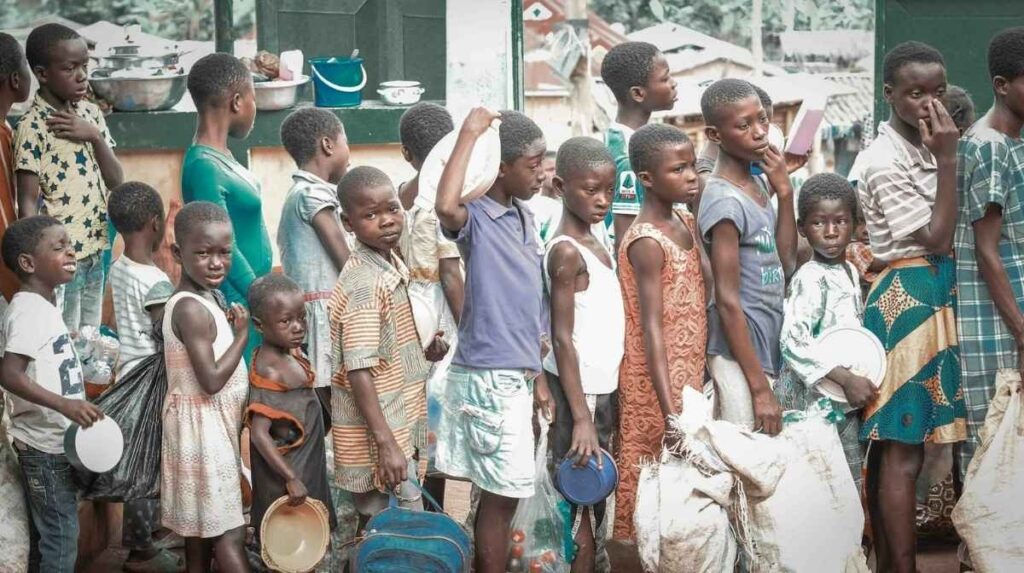
The burden of agricultural failure falls unevenly. Smallholder farmers in low income countries, who often lack insurance, savings, or alternative income sources, bear the greatest risk. When a single season’s harvest is wiped out, families can be pushed into debt, malnutrition, or displacement.
Women and children are disproportionately affected. In many developing regions, women perform the majority of agricultural labor yet have less access to land, credit, and technology. When harvests fail, girls are often the first to be pulled from school, and household nutrition deteriorates most sharply among young children and pregnant women.
Urban populations are not immune either. When production shortfalls drive up grain prices on global commodity markets, the cost of bread, cooking oil, and animal feed rises everywhere, hitting the poorest consumers hardest regardless of where they live.
The Economic Cost of Failed Harvests: A Deeper Look
Agricultural losses carry a financial toll that extends far beyond the farm. When yields collapse, the damage cascades through supply chains, government budgets, insurance markets, and consumer wallets.
In the United States, the American Farm Bureau Federation reported that Texas alone suffered over $3.4 billion in agricultural damages in 2024, marking the third consecutive year it led the nation in losses. Nationally, 27 weather disasters each exceeding $1 billion in damages struck the country coast to coast, according to NOAA.
The costs are not just American. The FAO estimates that trade losses from plant pests alone exceed $220 billion every year worldwide, while between 638 and 720 million people may have faced hunger in 2024. When harvests fail in one breadbasket region, importing nations scramble for alternatives, driving up prices and creating ripple effects that hit the poorest consumers hardest.
For smallholder farmers in developing nations, a single bad season can mean the difference between stability and destitution. Without access to affordable crop insurance or emergency credit, many are forced to sell livestock, pull children from school, or abandon their land entirely.
Real World Case Studies: Recent Harvest Collapses (2023 to 2025)
Looking at specific events helps illustrate how interconnected and fast moving these crises have become.
West African Cocoa Crisis (2024): Dry conditions linked to El Nino devastated cocoa production in Ghana and Ivory Coast, the world’s two largest producers. According to the World Economic Forum, cocoa prices doubled between early 2023 and February 2024, sending shockwaves through the global chocolate industry and hitting millions of smallholder cocoa farmers.
India’s Rice Export Ban (2023 to 2024): Late and unusually heavy monsoon rains damaged India’s rice harvest, prompting the government to halt exports of certain rice categories. Because India is the world’s largest rice exporter, the restriction triggered price surges across Asia and Africa, where rice is a dietary staple for billions.
Brazilian Soybean Stress: Researchers at Woodwell Climate Research Center have documented declining agricultural productivity in Mato Grosso, Brazil’s key soybean and maize region. Deforestation and changing precipitation patterns are shortening rainy seasons and reducing soil moisture, threatening one of the planet’s most important food producing areas.
These examples demonstrate that harvest failures are no longer isolated local events. They are interconnected global disruptions with immediate consequences for food prices, trade policy, and human welfare.
Prevention and Resilience: What Actually Works
Building agricultural resilience requires action at every level, from individual farms to international policy.
Climate Smart Farming Practices
Farmers who diversify their crops, adopt drought tolerant varieties, and use conservation tillage are far better positioned to withstand shocks. The FAO’s Integrated Pest Management programs have trained over 10 million farmers across 95 countries, demonstrating that it is possible to lower pesticide use significantly without reducing yields or farmer profits.
Technology and Early Warning Systems
Satellite monitoring, machine learning, and climate forecasting tools are transforming how we predict and respond to agricultural threats. The Nature Communications study on preseason forecasting showed that maize and wheat failures can be predicted up to a year before harvest in some regions, giving governments and aid organizations critical lead time.
Soil Health Restoration
Rebuilding degraded soils through crop rotation, cover cropping, composting, and reduced tillage restores moisture retention and nutrient cycling. Healthy soil acts as a buffer against both drought and flooding, making crops more resilient even when weather turns extreme.
Policy and Financial Safety Nets
Governments play an essential role through crop insurance subsidies, disaster relief programs, strategic grain reserves, and investment in agricultural research. The passage of the American Relief Act of 2025, which allocated $21 billion in U.S. farm disaster aid, illustrates the scale of public investment needed, though implementation speed remains a concern.
The Role of Emerging Technology
Innovation is opening new pathways to safeguard food production. Precision agriculture uses GPS, drones, and sensor networks to optimize water use, fertilizer application, and pest detection at the field level. Gene editing tools are accelerating the development of heat and drought resistant crop varieties. Vertical farming and hydroponics offer the potential to grow food in controlled environments entirely independent of weather.
However, access remains a challenge. Most of these technologies are concentrated in wealthy nations, while the farmers who face the greatest risks often lack the infrastructure, training, or capital to adopt them. Bridging this gap is one of the defining challenges for global food security in the coming decades.
Conclusion
Crop failure is not a problem for tomorrow. It is happening right now, accelerating year by year, and affecting billions of people across every continent. The causes are deeply interconnected, spanning climate change, pest outbreaks, soil degradation, water scarcity, and human conflict. The economic toll already runs into hundreds of billions of dollars annually, and projections from leading research institutions warn that things will get significantly worse without decisive action.
The good news is that effective solutions exist. Climate smart farming, early warning technology, soil restoration, and stronger policy safety nets can dramatically reduce the frequency and severity of agricultural losses. But these solutions require investment, political will, and a recognition that protecting harvests is inseparable from protecting human lives.
If this article helped you understand the scale and urgency of this challenge, share it with someone who cares about food, farming, or climate. The more people understand what is at stake, the faster we can build the resilient food systems the world desperately needs.
What is the main cause of crop failure worldwide?
Climate change and extreme weather events, including droughts, floods, and heatwaves, are now the leading drivers of agricultural losses globally. These conditions weaken plants, reduce yields, and amplify the impact of secondary threats like pest outbreaks and soil erosion.
How much food is lost to pests and diseases each year?
The Food and Agriculture Organization estimates that up to 40 percent of global crop production is lost to plant pests and diseases annually. These biological threats cost the world economy more than $220 billion every year, with invasive insects contributing at least $70 billion of that total.
Which crops are most vulnerable to harvest collapse?
Staple grains like wheat, maize, rice, and soybeans face the highest risk because they are grown in large monocultures that are highly sensitive to weather variability. Research from Woodwell Climate Research Center projects that by 2050, the world could see a rice or wheat failure every other year under current warming trends.
Can crop failure be predicted in advance?
Yes, and forecasting capabilities are improving rapidly. A 2024 study published in Nature Communications demonstrated that maize and wheat failures can be predicted up to a year ahead of harvest in certain regions by using El Nino Southern Oscillation forecasts combined with advanced climate modeling.
How does crop failure affect food prices?
When major producing regions experience significant yield losses, global commodity prices spike as importing nations compete for reduced supplies. This was visible in 2023 and 2024 when India’s rice export restrictions and West Africa’s cocoa shortages drove sharp price increases that affected consumers worldwide.
What can farmers do to prevent harvest losses?
Farmers can reduce their vulnerability by diversifying the crops they grow, adopting drought and heat resistant varieties, improving soil health through cover cropping and reduced tillage, investing in efficient irrigation, and participating in crop insurance programs. Access to early warning systems also helps farmers make timely decisions that can save a season’s harvest.