Feeling disconnected can be overwhelming, especially during adolescence. What causes social isolation among teenagers is a complex mix of emotional, social, and environmental factors that affect their daily interactions. In today’s fast-paced world, teens may struggle with peer pressure, academic stress, mental health challenges, or digital addiction, all of which can lead to feelings of loneliness. Understanding these triggers is crucial for parents, educators, and caregivers to support healthy development.
This article will explore the main reasons behind teenage isolation, highlight the role of family support and communication skills, and provide practical strategies to prevent it effectively. By recognizing the early signs and implementing positive interventions, we can help teenagers build meaningful connections and improve their emotional well-being.
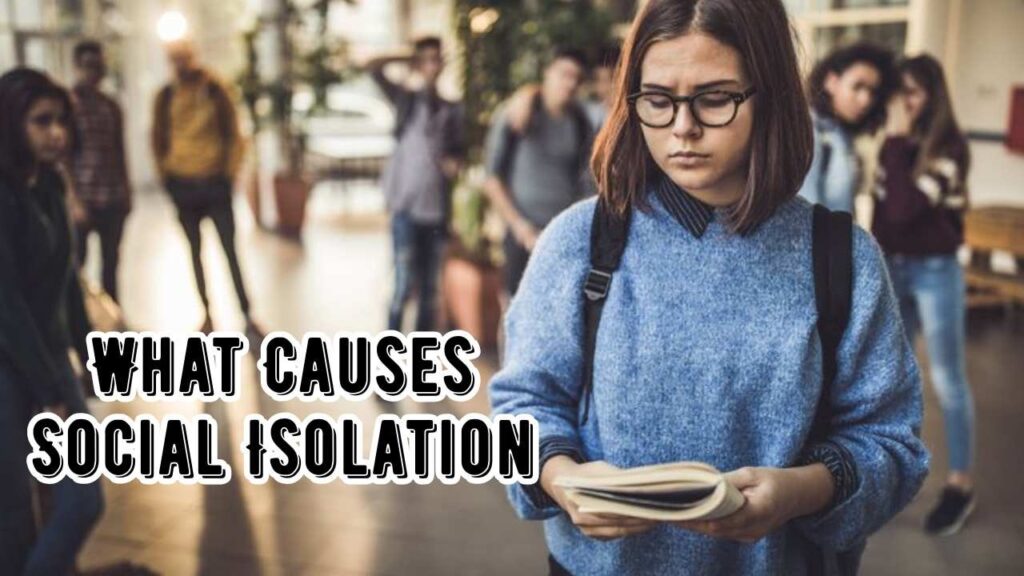
Understanding What Causes Social Isolation Among Teenagers
What causes social isolation among teenagers is an issue that has grown significantly in recent years. Teenagers are at a critical stage of emotional and social development, where interactions with peers, family, and society shape their sense of belonging. When these connections are disrupted, it can lead to feelings of loneliness, anxiety, and depression. Emotional well-being, peer pressure, and self-esteem are deeply affected by social isolation. Understanding the root causes is essential for parents, educators, and mental health professionals to create supportive environments.
Social isolation does not occur in a vacuum. Multiple factors contribute to why teenagers may feel disconnected, including academic stress, family dynamics, digital addiction, and mental health challenges. The effects of isolation can be long-term, influencing social skills, communication abilities, and even future relationships. By addressing these issues early, it is possible to help teenagers build resilience and foster a sense of community.
Related Article: 10 Alarming Effects of Social Isolation on Mental Health Everyone Should Know
Key Factors Behind Social Isolation
Peer Pressure and Social Exclusion
Peer pressure plays a significant role in teenage isolation. Teenagers often feel compelled to fit in, which can lead to exclusion if they fail to meet group expectations. Bullying, whether online or in-person, contributes to a sense of rejection and low self-confidence. Teens who face consistent social exclusion may withdraw further, intensifying feelings of loneliness.
Academic Stress and Overload
What causes social isolation is another major factor in teenage isolation. High expectations from schools, teachers, and even parents can overwhelm teenagers. When the focus is primarily on grades rather than emotional support, teens may feel misunderstood and alone. Incorporating time management skills, stress relief techniques, and study-life balance can mitigate these effects.
Family Dynamics and Communication Gaps
Family support is crucial in preventing social isolation. Teenagers who lack open communication with parents or guardians may struggle to express their emotions. A home environment lacking understanding or attention can amplify emotional distress. Encouraging active listening, quality family time, and empathy development can significantly reduce feelings of isolation.
Mental Health Challenges
Mental health challenges such as anxiety, depression, and social phobia are closely linked to teenage isolation. Teens with undiagnosed conditions often feel different from their peers, which increases withdrawal tendencies. Early intervention with therapy, counseling, or support groups can help them develop coping strategies and improve emotional resilience.
Digital Addiction and Social Media
While technology connects people, digital addiction can ironically lead to disconnection. Excessive use of social media may replace real-life interactions, creating a sense of superficial connection but emotional isolation. Teens may compare themselves with unrealistic standards, resulting in low self-esteem and social withdrawal. Moderating screen time and promoting offline activities, hobbies, and sports can restore balance.
Signs and Symptoms of Social Isolation
Recognizing early signs of What causes social isolation can prevent long-term consequences. Some common indicators include:
- Withdrawal from friends and family
- Loss of interest in hobbies and social events
- Increased irritability or mood swings
- Declining academic performance
- Changes in sleep patterns or eating habits
Parents and educators should remain vigilant for these signs. What causes social isolation,Timely intervention using emotional support, peer mentoring, and mental health counseling can help teenagers reconnect.

Preventing Social Isolation Among Teenagers
Encouraging Social Connections
Building healthy friendships and support networks is essential. Encourage teenagers to participate in clubs, community events, and team activities. Positive interactions help improve communication skills, self-confidence, and emotional intelligence.
Promoting Family Engagement
Strong family relationships act as a buffer against social isolation. Regular family discussions, shared activities, and empathetic listening help teens feel valued and understood. Families can also teach problem-solving skills and conflict resolution, which are critical for maintaining healthy relationships.
Supporting Mental Health
Providing access to mental health resources like therapy, counseling, or school programs is crucial. Helping teenagers recognize and manage anxiety, stress, and emotional challenges ensures they do not feel alone. Encouraging self-care routines, mindfulness, and healthy coping strategies enhances emotional resilience.
Limiting Digital Overload
Regulating screen time and encouraging offline interactions can help teens build real-life connections. Promote hobbies, sports, and creative activities to replace excessive social media use. This reduces the risk of digital isolation and fosters a sense of accomplishment and belonging.
Real-Life Examples and Benefits of Intervention
Several studies highlight the benefits of early intervention. Teens who receive peer support and family guidance show improved self-esteem, social competence, and emotional stability. For example, participation in group activities or mentorship programs can significantly reduce feelings of isolation. Addressing academic stress and mental health challenges in a supportive environment helps teens develop resilience and prepares them for healthy adult relationships.
By understanding what causes social isolation, recognizing early signs, and implementing practical strategies, we can support teenagers in building meaningful connections. Fostering emotional well-being, communication skills, peer bonding, and family engagement ensures that teens grow into confident, socially capable adults.
Conclusion
In conclusion, understanding what causes social isolation among teenagers is essential for fostering their emotional well-being and self-esteem. Psychological factors like mental health challenges, social pressures such as peer pressure, and environmental issues like digital addiction all play a significant role in teenage isolation. By encouraging family support, communication skills, and participation in extracurricular activities, parents and educators can help teens build meaningful connections.
Early recognition and proactive strategies not only reduce social withdrawal but also enhance confidence, resilience, and overall emotional intelligence, ensuring healthier development for adolescents.