In today’s digital world, staying connected online has become essential for maintaining relationships, working remotely, and accessing information instantly. However, with increasing cyber threats and data breaches, protecting your personal information while communicating digitally is more important than ever. Many people unknowingly expose their sensitive data through unsecured networks, weak passwords, and unreliable platforms.
This comprehensive guide explores trusted methods for maintaining meaningful online communication without sacrificing your digital privacy. You’ll discover practical tips on secure messaging apps, internet safety practices, and data protection strategies that safeguard your identity. Whether you’re connecting with family abroad or collaborating with colleagues, these proven techniques ensure your conversations remain private and your personal information stays protected. Let’s explore how you can stay connected safely in an increasingly connected world.

Understanding the Importance of Digital Connection
In our modern era, staying connected online has transformed from a convenience into a necessity. From video calls with loved ones to remote work meetings, digital communication shapes how we interact daily. However, this increased connectivity brings significant privacy concerns that cannot be ignored.
The rise of cybercrime has made online security a top priority for individuals and businesses alike. Understanding how to balance accessibility with protection ensures you enjoy the benefits of digital communication without becoming vulnerable to hackers or data thieves.
Why Privacy Matters When You’re Online
Your personal information is valuable. Every time you connect through websites, apps, or social platforms, you leave digital footprints that can be tracked, collected, or misused. Protecting your internet privacy isn’t about hiding; it’s about controlling who accesses your data and how they use it.
Trusted Methods for Secure Online Communication
When staying connected online, choosing the right tools and practices makes all the difference. Below are proven strategies that keep your conversations private and your data protected.
Use Encrypted Messaging Applications
End to end encryption ensures only you and your recipient can read messages. Popular secure messaging platforms like Signal, WhatsApp, and Telegram offer robust encryption features that prevent third parties from intercepting your conversations. These apps provide safe online communication without compromising functionality.
Features to Look for in Secure Apps
- End to end encryption enabled by default
- Self destructing messages option
- Two factor authentication support
- No data logging policies
- Open source code for transparency
Strengthen Your Password Security
Weak passwords remain one of the biggest vulnerabilities when staying connected online. Creating strong, unique passwords for each account significantly reduces your risk of being hacked.
A reliable password manager can help you create and safely store strong passwords without any hassle. This eliminates the need to remember multiple credentials while maintaining high security standards across all your accounts.
Enable Two Factor Authentication
Adding an extra layer of protection through two factor authentication ensures that even if someone obtains your password, they cannot access your accounts without the secondary verification code. Most platforms now offer this feature, and enabling it takes only minutes.
Protecting Your Privacy on Social Networks
Social media platforms are essential for staying connected online with friends and family, but they also pose significant privacy risks. Adjusting your settings and being mindful of what you share helps maintain your digital privacy.
Adjust Your Privacy Settings
Every social platform offers privacy controls that limit who sees your posts, photos, and personal information. Regularly review these settings because platforms frequently update their policies and default configurations.
Be Cautious About Sharing Personal Information
Oversharing on social media creates opportunities for identity theft and social engineering attacks. Avoid posting sensitive details like your home address, phone number, vacation plans, or financial information publicly.
Safe Practices for Using Public Networks
Public Wi-Fi networks at cafes, airports, and hotels are convenient but notoriously insecure. When staying connected online through these networks, extra precautions are necessary.
Use a Virtual Private Network
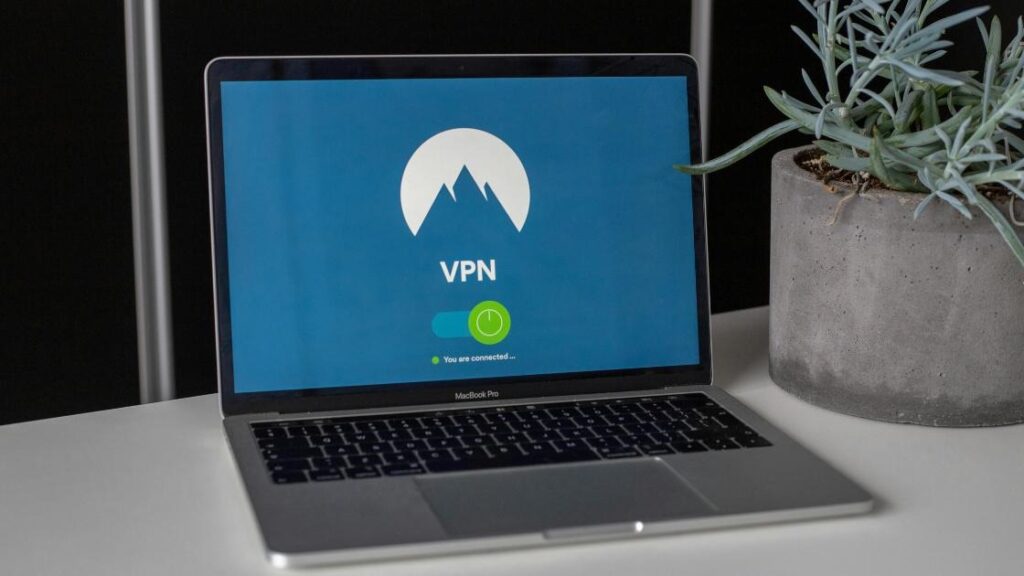
A VPN service encrypts your internet connection, making it nearly impossible for hackers to intercept your data on public networks. This tool is essential for anyone who frequently connects outside their secure home network.
Avoid Sensitive Transactions on Public Wi-Fi
Even with protection, it’s wise to avoid accessing banking apps or entering credit card information while connected to public networks. Wait until you’re on a trusted, secure connection for sensitive activities.
Common Challenges and How to Overcome Them
While staying connected online securely requires effort, the challenges are manageable with the right approach.
- Remembering multiple passwords solved by using password managers
- Slow connections from VPNs resolved by choosing premium services
- Complex privacy settings simplified through online tutorials
- Keeping software updated automated through device settings
- Recognizing phishing attempts learned through awareness training
Recommendations for Long Term Security
Maintaining your online safety requires ongoing attention. Regularly update your apps and devices, stay informed about new threats, and periodically audit your privacy settings across all platforms. Building these habits ensures staying connected online remains safe and enjoyable for years to come.
Conclusion
Staying connected online doesn’t have to mean sacrificing your privacy or security. Following the secure strategies shared in this guide allows you to communicate digitally without putting your personal data at risk. From using encrypted messaging apps and strong passwords to enabling two factor authentication and utilizing VPN services, each step strengthens your overall online safety.
As cyber threats continue evolving, prioritizing internet security becomes increasingly essential. Start applying these practices today to ensure staying connected online remains both safe and enjoyable. Your privacy is worth protecting, and with the right tools, maintaining secure connections is simpler than ever.