The connection between social media and anxiety in youth has become one of the most pressing concerns for parents, educators, and mental health professionals today. As teenagers spend increasing hours scrolling through Instagram, TikTok, and Snapchat, many are experiencing heightened levels of stress, comparison, and emotional distress. Studies reveal that excessive screen time correlates with rising rates of teen mental health struggles, including depression, low self-esteem, and sleep disturbances.
This article explores how digital platforms impact adolescent wellbeing and offers practical, expert-backed strategies for managing these challenges. You’ll discover warning signs to watch for, healthy boundaries to establish, and effective ways to support young people navigating online spaces. Whether you’re a parent seeking guidance or a young person looking for balance, these evidence-based tips will help create a healthier relationship with technology.
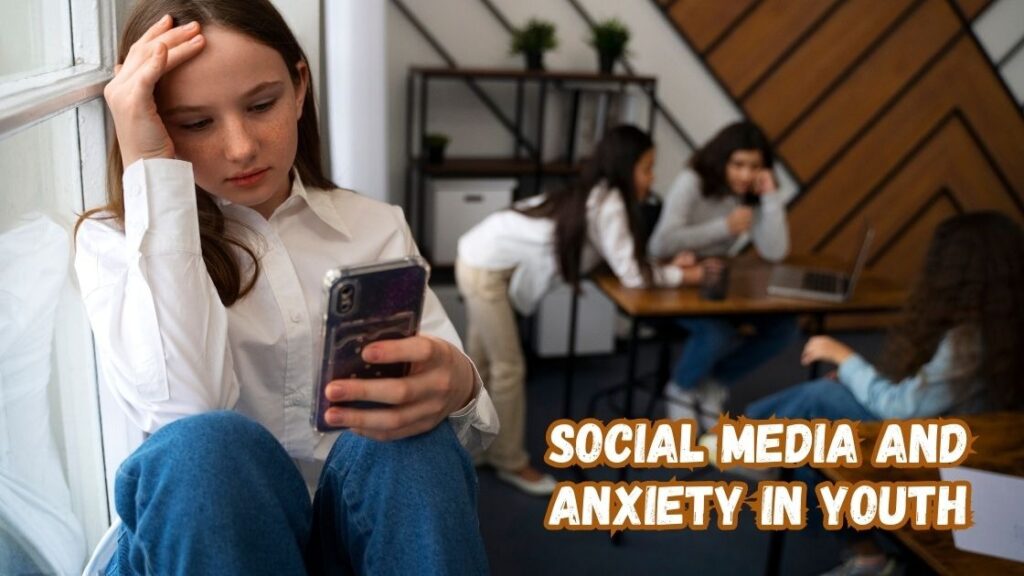
Understanding the Connection Between Social Media and Anxiety in Youth
The relationship between social media and anxiety in youth extends far beyond simple screen time concerns. Digital platforms create environments where young people constantly compare themselves to curated versions of their peers’ lives. This phenomenon triggers feelings of inadequacy, fear of missing out, and persistent worry about online validation.
Adolescent brains remain under development until the mid-twenties, making teenagers particularly vulnerable to the emotional impacts of digital interactions. The dopamine-driven feedback loops created by likes, comments, and shares can rewire reward pathways, leading to compulsive checking behaviors and heightened stress responses when engagement falls short of expectations.
How Digital Platforms Affect Teen Mental Health
Research consistently demonstrates that heavy platform usage correlates with increased psychological distress among adolescents. The mechanisms driving this connection involve several interconnected factors that compound over time.
The Comparison Trap
Young users frequently encounter highlight reels showcasing perfect bodies, exciting experiences, and seemingly flawless relationships. This constant exposure creates unrealistic standards that fuel negative self-perception and chronic dissatisfaction with their own lives.
Cyberbullying and Online Harassment
Unlike traditional bullying that ends when school hours finish, digital harassment follows young people everywhere. The anonymity of online spaces emboldens aggressors while victims experience relentless attacks that significantly worsen adolescent stress levels and emotional wellbeing.
Sleep Disruption
Late-night scrolling disrupts circadian rhythms and reduces sleep quality. Poor rest amplifies emotional reactivity, diminishes coping abilities, and creates a cycle where tired teenagers turn to their devices for comfort, further worsening their sleep patterns.
Recognizing Warning Signs in Young People
Parents and caregivers must understand the indicators that suggest social media and anxiety in youth have become problematic. Early identification allows for timely intervention before issues escalate into serious mental health conditions.
Behavioral Changes to Monitor
Watch for these concerning patterns that may indicate your teenager is struggling:
- Withdrawal from family activities and in-person friendships they previously enjoyed
- Obsessive checking of notifications and visible distress when devices are unavailable
- Declining academic performance or loss of interest in hobbies and extracurriculars
- Mood swings directly connected to online interactions or follower counts
- Expressing feelings of worthlessness or making negative comparisons to peers
Physical Symptoms
Beyond behavioral shifts, social media and anxiety in youth often manifest through physical complaints. Headaches, stomach aches, muscle tension, and fatigue without medical explanation frequently accompany digital-related stress. Sleep difficulties, appetite changes, and restlessness also warrant attention.

Practical Strategies from Mental Health Experts
Addressing social media and anxiety in youth requires balanced approaches that acknowledge digital realities while promoting healthier habits. Complete platform bans rarely work and may damage trust between parents and teenagers.
Establishing Healthy Boundaries
Creating structure around device usage helps young people develop self-regulation skills. Experts recommend collaborative boundary-setting rather than imposed restrictions, as teenagers respond better when they participate in creating rules.
Consider implementing device-free zones in bedrooms and during meals. Encourage charging phones outside sleeping areas overnight. These simple changes protect sleep quality and create natural breaks from constant connectivity.
Building Digital Literacy Skills
Teaching critical thinking about online content empowers youth to navigate platforms more safely. Help teenagers understand how algorithms work, recognize edited images, and identify content designed to provoke emotional reactions.
Discuss how influencers and peers present curated versions of reality. When young people understand the gap between online presentations and actual life, comparison loses some of its destructive power.
Encouraging Offline Connections
Face-to-face relationships provide emotional nourishment that digital interactions cannot replicate. Encourage participation in sports, clubs, volunteering, or other activities that build genuine connections and self-esteem independent of online validation.
Physical activity particularly benefits teenagers experiencing social media and anxiety in youth struggles. Exercise releases endorphins, improves mood, and provides healthy outlets for stress that accumulates during digital engagement.
Open Communication Approaches
Create judgment-free spaces where teenagers feel comfortable discussing their online experiences. Ask curious questions rather than lecturing. Listen more than you speak. When young people trust that sharing won’t result in punishment or device confiscation, they’re more likely to seek help when problems arise.
Normalize conversations about mental health generally. When families discuss emotions openly, teenagers learn that struggling is human and seeking support shows strength rather than weakness.
Conclusion
Navigating social media and anxiety in youth requires patience, understanding, and consistent effort from parents, educators, and young people themselves. By recognizing warning signs early, establishing healthy digital boundaries, and maintaining open communication, families can help teenagers develop balanced relationships with technology. Remember that complete avoidance isn’t realistic in today’s connected world. Instead, focus on building digital literacy, encouraging offline connections, and prioritizing teen mental health. When social media and anxiety in youth become overwhelming, seeking professional support demonstrates strength. With the right strategies, young people can enjoy online spaces while protecting their emotional wellbeing and self-esteem.