Social media addiction research has begun uncovering why this happens to millions of us every single day. Our smartphones have become extensions of ourselves, and the platforms we use are designed to keep us engaged far longer than we intend.
This article explores what scientists have discovered about compulsive phone use, digital dependency, and the psychological triggers that make platforms so irresistible. We’ll examine how excessive screen time affects mental health, why teenagers are particularly vulnerable to problematic social media use, and what the latest studies reveal about dopamine-driven feedback loops. Whether you’re concerned about your own online habits or worried about a loved one, understanding this research can help you take back control of your digital life.
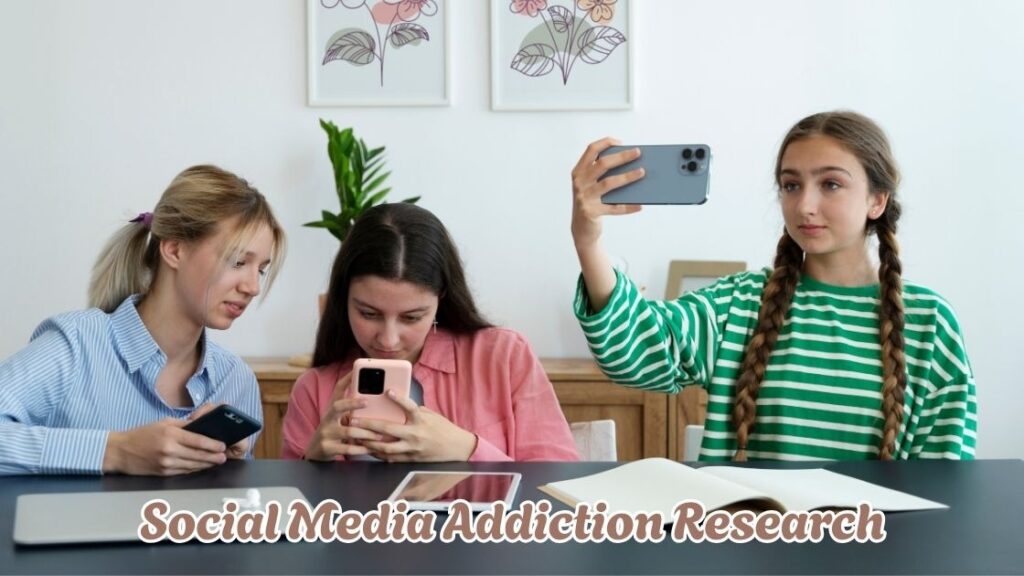
Understanding Social Media Addiction and Its Growing Concern
Social media addiction refers to the compulsive need to spend excessive time on platforms like Facebook, Instagram, TikTok, and Twitter. Unlike substance abuse, this behavioral addiction doesn’t involve chemicals entering your body. Instead, it hijacks your brain’s reward system through notifications, likes, and endless content feeds. Social media addiction research has shown that approximately 5 to 10 percent of users meet the criteria for genuine addiction, though many more experience problematic usage patterns.
The condition shares similarities with gambling addiction because both rely on variable reward schedules. You never know when your next notification will bring positive feedback, which keeps you checking repeatedly. This unpredictability creates a powerful psychological hook that platforms deliberately engineer into their designs.
How Scientists Define Problematic Social Media Use
Researchers typically identify social media addiction through six core criteria. These include salience, where social media dominates your thoughts and behavior. Mood modification means you use platforms to escape negative feelings. Tolerance develops when you need increasing screen time to achieve satisfaction. Withdrawal symptoms appear when you cannot access your accounts. Conflict arises with relationships, work, or education. Finally, relapse occurs when you fail at attempts to reduce usage.
Social media addiction research uses validated assessment tools like the Bergen Social Media Addiction Scale to measure these dimensions. Mental health professionals now recognize this condition as a legitimate concern requiring clinical attention in severe cases.
The Science Behind Why We Cannot Stop Scrolling
Dopamine and the Brain’s Reward Pathway
Every like, comment, and share triggers a small dopamine release in your brain. This neurotransmitter creates feelings of pleasure and reinforces the behavior that produced it. Social media addiction research has demonstrated through brain imaging studies that heavy users show similar neural patterns to those with substance dependencies.
The intermittent reinforcement schedule makes this particularly powerful. Sometimes your post gets tremendous engagement, other times almost none. This uncertainty drives you to check repeatedly, chasing that next burst of pleasure from your brain’s reward system. Platform designers understand this psychology and optimize their algorithms accordingly.
Fear of Missing Out and Social Comparison
FOMO drives much of our compulsive checking behavior. Social media addiction research indicates that people with higher fear of missing out spend significantly more time on platforms. They worry about being excluded from social events or missing important updates from their networks.
Social comparison also fuels problematic usage. Seeing curated highlight reels from others’ lives can trigger feelings of inadequacy. Rather than logging off, many users scroll more, seeking content that might improve their mood, which rarely works.
Key Findings From Recent Studies
Social media addiction research has produced several important discoveries in recent years that help us understand digital dependency better.
- Teenagers who spend more than three hours daily on social media face double the risk of depression and anxiety symptoms
- Passive scrolling creates more negative outcomes than active engagement like commenting and messaging
- Nighttime social media use significantly disrupts sleep quality and duration
- Users who disable notifications report lower stress levels and improved focus within one week
- The average person touches their phone over 2,600 times daily according to behavioral tracking studies
Vulnerable Populations and Risk Factors
Certain groups face higher susceptibility to developing problematic social media habits. Adolescents remain particularly vulnerable because their prefrontal cortex, responsible for impulse control, hasn’t fully developed. Social media addiction research shows that individuals with existing mental health conditions like depression, anxiety, or loneliness also face elevated risks.
Personality traits matter as well. People scoring high in neuroticism and low in self esteem tend toward heavier platform usage. Those seeking external validation often become trapped in cycles of posting and checking for responses.

Practical Implications and Moving Forward
Understanding social media addiction research helps individuals recognize warning signs in themselves and others. Knowledge about how platforms manipulate attention can empower users to make conscious choices about their digital consumption.
Evidence Based Strategies for Healthier Habits
Researchers recommend several approaches for reducing problematic usage:
- Set specific time limits using built in screen time tracking features on your device
- Create phone free zones in bedrooms and during meals with family
- Turn off non essential notifications to reduce triggers throughout your day
- Schedule designated social media times rather than checking impulsively whenever bored
- Replace scrolling with alternative activities that provide genuine satisfaction and connection
Social media addiction research confirms that these interventions produce measurable improvements in wellbeing. Small changes compound over time, helping users rebuild healthier relationships with technology without requiring complete digital abstinence.
Conclusion
The findings from social media addiction research paint a clear picture of how digital platforms affect our daily lives and mental wellbeing. From dopamine driven feedback loops to fear of missing out, scientists have identified the psychological mechanisms keeping us glued to our screens. Understanding these triggers empowers you to recognize problematic patterns and take meaningful action.
Social media addiction research continues evolving as platforms change and new challenges emerge. By implementing evidence based strategies like setting screen time limits, disabling notifications, and creating phone free spaces, you can develop healthier digital habits. Remember, the goal isn’t eliminating social media entirely but building a balanced relationship with technology that supports your overall wellbeing and real world connections.