Poverty causes and solutions remain among the most critical discussions shaping global development policies in the 21st century. Millions of people across developing nations struggle daily with limited access to basic necessities like food, clean water, education, and healthcare. Understanding why poverty persists is the first step toward building effective strategies that create lasting change.
This article explores the complex factors contributing to economic inequality and examines practical approaches to poverty reduction. From unemployment and lack of education to inadequate infrastructure and political instability, we will uncover the root issues holding communities back. Additionally, we will highlight proven sustainable development initiatives that governments, organizations, and individuals can implement to uplift vulnerable populations. By the end, you will gain a comprehensive understanding of how collective efforts can break the cycle of hardship and build a more equitable world.
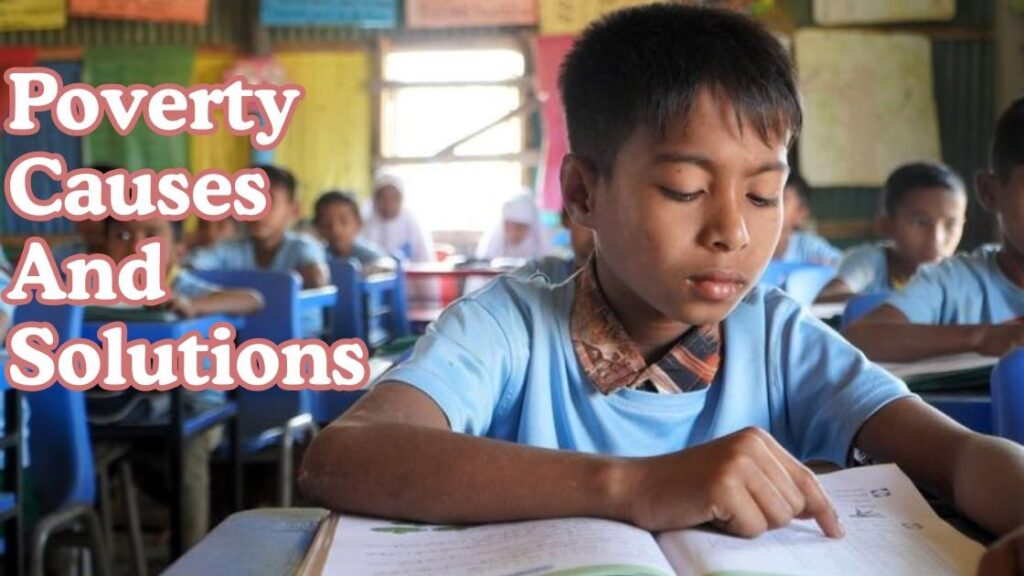
What Is Poverty? A Clear Definition
Poverty refers to a condition where individuals or communities lack the financial resources and essentials needed to maintain a minimum standard of living. This includes insufficient access to food, shelter, healthcare, and education. When we examine poverty causes and solutions, we recognize that this issue extends beyond just money. It involves social exclusion, limited opportunities, and systemic barriers that prevent people from improving their circumstances.
The World Bank classifies extreme poverty as surviving on less than $2.15 each day. However, poverty also exists in relative terms, where people cannot afford what is considered normal in their society.
Historical Background of Global Poverty
Throughout history, global poverty has been shaped by colonization, industrialization, and unequal distribution of resources. Developing countries often inherited weak institutions and infrastructure from colonial rule. This created long lasting challenges that continue affecting millions today.
Over the decades, international organizations have worked to address poverty causes and solutions through various programs. The United Nations Millennium Development Goals and later the Sustainable Development Goals placed poverty eradication at the forefront of global priorities.
Major Causes of Poverty in Developing Nations
Understanding poverty causes and solutions requires examining the root factors that trap communities in hardship.
Unemployment and Limited Job Opportunities
Unemployment remains one of the primary drivers of poverty. When people cannot find stable work, they struggle to meet basic needs. Many developing countries face high youth unemployment rates, creating cycles of dependency.
Lack of Quality Education
Lack of education prevents individuals from acquiring skills needed for better paying jobs. Without proper schooling, people remain stuck in low income positions. Education opens doors to opportunities that can lift entire families out of hardship.
Poor Healthcare Systems
Illness can quickly drain a family’s resources. In regions with inadequate healthcare, medical emergencies often push households deeper into poverty. Preventable diseases continue claiming lives and limiting economic productivity.
Political Instability and Corruption
Governments plagued by corruption often fail to invest in social welfare programs that benefit citizens. Resources meant for development get diverted, leaving communities without essential services.
Effective Solutions to Combat Poverty
Addressing poverty causes and solutions demands comprehensive strategies that tackle multiple issues simultaneously.
Promoting Financial Inclusion
Financial inclusion enables poor households to access banking services, loans, and savings accounts. Microfinance programs have proven successful in helping small entrepreneurs start businesses. When people can save and borrow responsibly, they build pathways toward stability.
Investing in Education and Skills Training
Governments must prioritize education funding to ensure every child receives quality schooling. Vocational training programs equip adults with marketable skills. These investments yield long term returns for individuals and economies.
Creating Sustainable Employment
Sustainable development initiatives create jobs while protecting the environment. Green industries, agriculture modernization, and technology sectors offer promising opportunities for developing nations.
Here are key employment strategies that work:
- Providing grants and training programs to help small and medium businesses grow
- Developing infrastructure projects that hire local workers
- Encouraging foreign investment in labor intensive industries
Strengthening Social Protection Systems
Effective social welfare programs provide safety nets for vulnerable populations. Cash transfer programs, food assistance, and healthcare subsidies help families survive difficult periods without falling deeper into poverty.
The Importance of Addressing Economic Inequality
Economic inequality widens the gap between rich and poor, creating social tensions and limiting overall growth. When we focus on poverty causes and solutions, we contribute to building more stable and prosperous societies.
Reducing income disparity benefits everyone. Healthier populations are more productive. Educated citizens drive innovation. Stable communities attract investment and create opportunities for future generations.
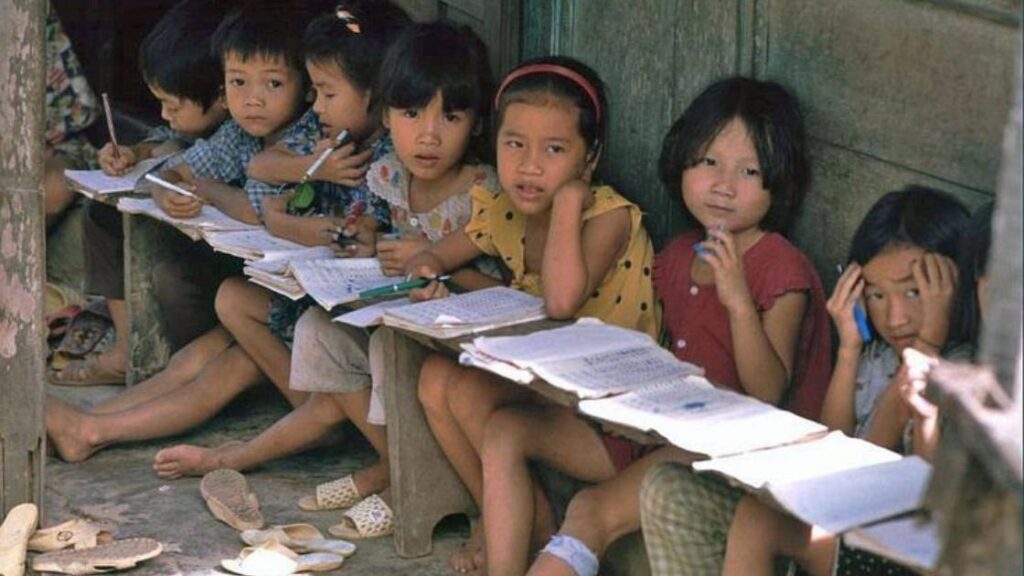
Challenges in Implementing Poverty Reduction Programs
Despite good intentions, several obstacles hinder progress:
- Limited government budgets and competing priorities
- Difficulty reaching remote or marginalized communities
- Resistance to policy changes from powerful groups
- Climate change disrupting agricultural livelihoods
Overcoming these challenges requires community empowerment and partnerships between governments, private sectors, and civil society organizations.
Real World Examples of Success
Countries like Bangladesh and Rwanda have made remarkable progress in poverty reduction. Bangladesh’s microfinance revolution helped millions of women become entrepreneurs. Rwanda invested heavily in healthcare and education after its devastating civil conflict.
These examples prove that understanding poverty causes and solutions and implementing targeted strategies can transform nations. With commitment and collaboration, ending extreme poverty remains an achievable goal.
Conclusion
Understanding poverty causes and solutions is essential for creating meaningful change in developing countries. From unemployment and lack of education to poor healthcare and political instability, multiple factors contribute to this ongoing challenge. However, effective strategies like financial inclusion, quality education investments, and sustainable development programs offer hope for millions.
Addressing poverty causes and solutions requires collective effort from governments, organizations, and individuals. By supporting social welfare programs and promoting economic equality, we can break the cycle of hardship. Together, we have the power to build a fairer world where everyone has the opportunity to thrive and live with dignity.