The globalization effect on culture is reshaping societies in ways few could have imagined. From bustling cities to remote villages, cultural practices, local traditions, and everyday lifestyles are interacting with global trends like never before.
This article explores how global influences are creating a mix of cultural exchange, modernization, and sometimes cultural homogenization, while also sparking efforts to preserve heritage. Readers will gain insights into how media, technology, and international trade drive cultural shifts, and how communities adapt to maintain their unique identities.
By understanding these dynamics, we can appreciate both the opportunities and challenges globalization brings to our cultural diversity. This discussion highlights not just changes but also the delicate balance between embracing global ideas and protecting longstanding cultural roots.
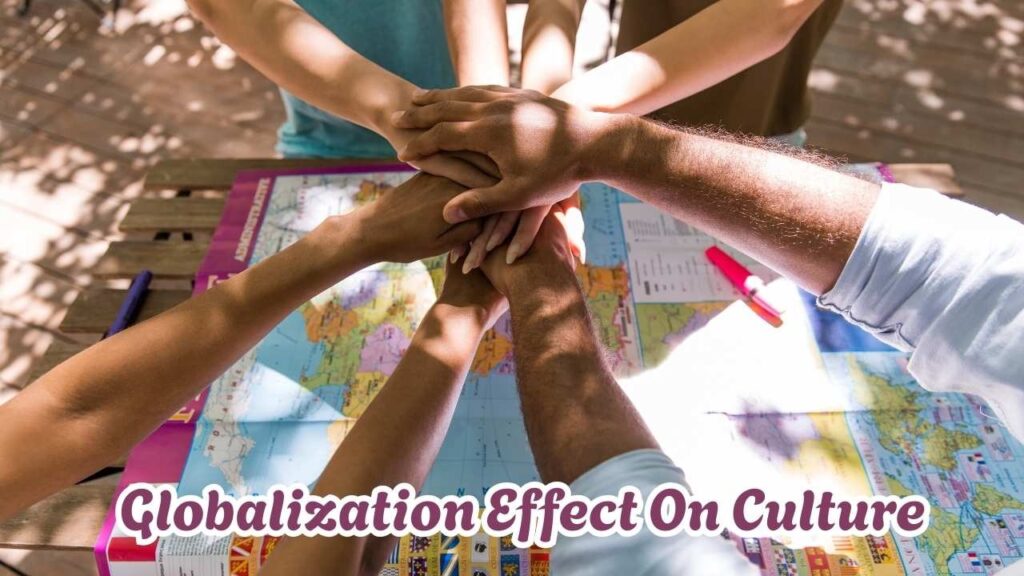
Understanding the Globalization Effect on Culture
The globalization effect on culture refers to the way global interconnectedness influences local customs, social practices, and identities. Over the last few decades, advances in technology, communication, and international trade have accelerated cultural interactions, creating both opportunities and challenges. This phenomenon affects languages, art, traditions, and everyday lifestyles, resulting in a blend of global trends with local uniqueness. By analyzing this effect, we can better understand how societies evolve while maintaining a connection to their heritage and historical roots.
Historical Background and Overview
Historically, cultural exchanges occurred through migration, trade, and conquest. However, modern globalization has intensified these interactions, making cultural diffusion faster and more pervasive. The rise of media, internet, and international travel has enabled people to experience and adopt foreign cultural practices without leaving their communities. As a result, traditional cultural values may shift, adapt, or sometimes even fade in the face of widespread modernization. Understanding this historical perspective is essential to appreciating the current dynamics of cultural diversity and global integration.
Key Features of Globalization on Culture
The globalization effect on culture exhibits several defining features that shape societies worldwide:
- Cultural Exchange: Sharing of ideas, art forms, and customs between nations.
- Media Influence: Global movies, music, and television impact local tastes and trends.
- Technological Impact: Access to digital platforms encourages adoption of global lifestyles.
- Economic Integration: International trade introduces new products and practices into local culture.
- Urbanization Effects: Cities become melting pots of multiple cultural influences.
These features highlight the interplay between global and local elements, emphasizing both the opportunities and the pressures communities face.
Advantages and Benefits
Understanding the globalization effect on culture is crucial because it brings several benefits:
- Enhanced Cultural Awareness: Exposure to global traditions broadens perspectives and encourages tolerance.
- Innovation and Creativity: Interaction with different ideas inspires new art, fashion, and cuisine.
- Economic Growth Opportunities: Cultural tourism and international partnerships support local economies.
- Education and Knowledge Exchange: Global connections allow learning from different cultural practices.
- Strengthened Communication Skills: Interacting with diverse cultures improves social adaptability and global competence.
These benefits show that when managed carefully, globalization can enrich societies while promoting cultural exchange and creativity.
Challenges and Drawbacks
Despite its advantages, the globalization effect on culture also presents challenges:
- Cultural Homogenization: Local traditions may fade as global culture dominates.
- Loss of Identity: Communities may struggle to maintain unique cultural practices.
- Commercialization of Culture: Traditional practices can be exploited for profit.
- Resistance and Conflict: Some groups may oppose foreign influence, leading to social tension.
- Dependency on Global Trends: Overreliance on foreign ideas may reduce local innovation.
Understanding these drawbacks is essential for designing strategies that preserve heritage while embracing positive aspects of globalization.
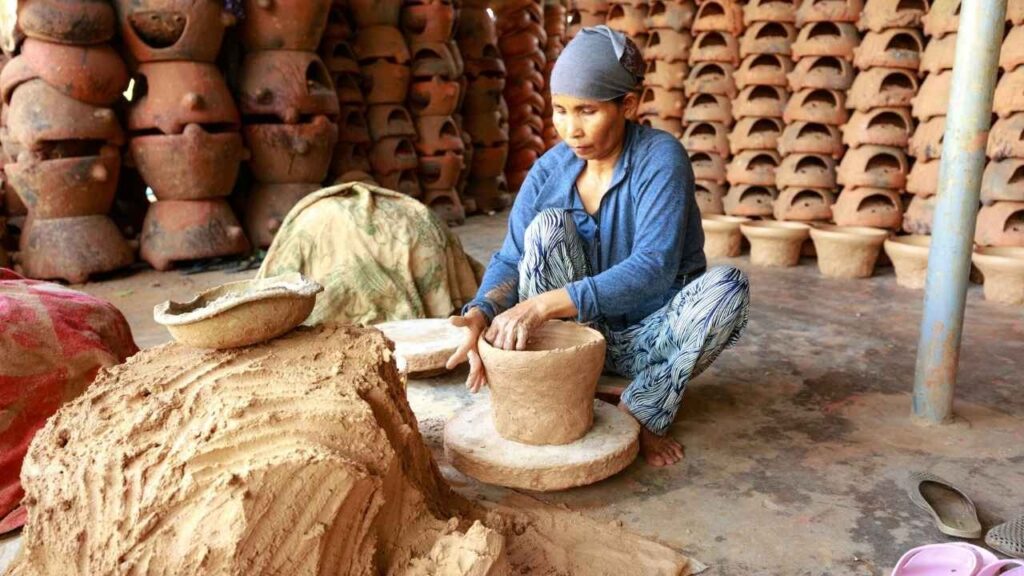
How It Works: The Process of Cultural Integration
The globalization effect on culture occurs through several interconnected processes:
Media and Technology
Digital platforms, television, and social media allow global trends to reach local audiences quickly, shaping preferences in fashion, music, and lifestyle.
Migration and Travel
People moving across borders introduce new customs and ideas, creating hybrid cultural forms in communities.
Trade and Commerce
International business brings not only goods but also cultural practices, influencing local consumption patterns.
Education and Knowledge Exchange
Students and professionals studying abroad bring back new perspectives, contributing to cultural evolution.
Tourism and International Events
Global festivals, exhibitions, and sports events promote cross-cultural understanding and influence local practices.
This multi-step interaction demonstrates how deeply globalization can affect cultural identity and societal values.
Recommendations and Future Perspectives
To maximize the benefits of the globalization effect on culture while minimizing negative consequences, communities and policymakers can consider:
- Promoting cultural preservation programs to safeguard traditions.
- Encouraging cultural exchange initiatives that are mutually respectful.
- Integrating modernization without compromising local identity.
- Leveraging technology to showcase local art and heritage globally.
- Educating younger generations about the importance of cultural diversity.
By balancing global influence with local values, societies can thrive in a connected world while retaining their unique cultural essence.
Conclusion
The globalization effect on culture continues to reshape societies by blending local traditions with global influences. While it offers benefits like cultural exchange, innovation, and broader perspectives, it also presents challenges such as potential loss of identity and cultural homogenization. By understanding these dynamics, communities can embrace modernization while preserving heritage and cultural diversity. Balancing global trends with local values ensures that traditions thrive alongside new ideas, allowing societies to evolve responsibly and maintain a rich, unique cultural identity in an increasingly interconnected world.