Getting off social media after a breakup can feel like a daunting step, but it’s often the first move toward emotional recovery. Many people struggle with heartbreak recovery, constantly checking feeds, and comparing themselves to others, which prolongs pain and emotional healing.
In this article, we’ll explore how stepping back from platforms like Instagram, Facebook, and Snapchat can help you regain control over your thoughts, improve mental health, and rediscover self-confidence. You’ll also learn practical tips to manage digital detox, overcome relationship anxiety, and create healthier online habits. Whether it’s blocking reminders, curating your feed, or setting boundaries, taking this step allows you to focus on self-care and gradually move forward with clarity and peace.
Understanding Getting Off Social Media After a Breakup
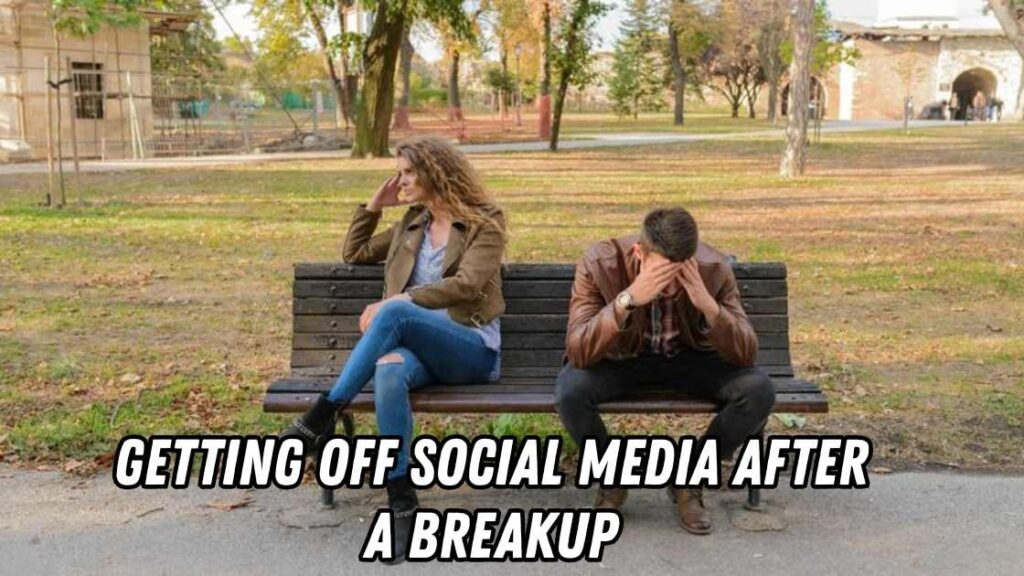
Getting off social media after a breakup is more than just closing apps or unfollowing accounts; it’s a deliberate step to safeguard your emotional well-being and regain control over your mental space. Breakups often leave a trail of emotions such as sadness, anger, confusion, and even guilt. Social media can amplify these feelings because it constantly exposes you to reminders of your ex, comparisons, and sometimes judgment from others. Taking a pause provides the necessary distance to process these emotions effectively.
By focusing on self-care, mental clarity, and emotional healing, you create a healthier environment to reflect on your experiences and nurture personal growth. In today’s hyper-connected world, recognizing the need for a digital detox is crucial for maintaining emotional stability after a breakup.
The Importance of Disconnecting Digitally
Why Social Media Can Be Harmful After Breakups
Platforms like Instagram, Facebook, and Snapchat are designed to keep us engaged. After a breakup, this constant engagement can lead to relationship anxiety, obsessive checking of an ex’s activity, and prolonged emotional distress. Studies in mental health suggest that people who remain heavily active online during breakups often experience slower healing and higher stress levels. Disconnecting helps break the cycle of comparison, judgment, and overthinking, giving space for reflection and emotional independence.
Benefits of Taking a Digital Break
Stepping back allows you to focus on your own life instead of constantly monitoring others. It promotes self-confidence, reduces negative thinking, and encourages healthier coping strategies. You can prioritize mindfulness practices, like meditation or journaling, which help you reconnect with your emotions and regain clarity. The act of pausing social media is a form of self-care that sends a message to yourself: your peace and recovery matter more than online validation.
Emotional Benefits of Getting Off Social Media
Reducing Emotional Triggers
When you get off social media after a breakup, you reduce exposure to triggers that can cause jealousy, resentment, or sadness. Constant notifications and online reminders of the past can intensify heartbreak anxiety and make it difficult to move on. By taking a break, you allow yourself to heal naturally, fostering a sense of resilience and mental calm.
Building Self-Reflection and Independence
Digital disconnection creates space for self-reflection, allowing you to examine what went wrong in the relationship and how to improve your future experiences. Engaging in hobbies, spending time with friends, or practicing creative activities strengthens self-growth and reinforces emotional independence. The absence of online distractions encourages authentic emotional processing, which is essential for long-term emotional healing.
Practical Steps to Disconnect Successfully
Strategies for a Smooth Social Media Detox
Implementing a social media detox may feel challenging at first, but practical steps can make the process easier:
1. Unfollow or mute accounts that trigger emotional distress
2. Limit screen time using app timers or device settings
3. Replace scrolling with mindfulness practices such as meditation, journaling, or yoga
4. Seek support from friends, family, or therapy instead of online validation
5. Create a daily routine that prioritizes self-care and personal development
Creating Boundaries and Habits
Setting clear boundaries ensures that your break from social media is intentional and productive. Avoid impulsively checking notifications and focus on activities that promote mental health and stress relief. Over time, these habits help maintain emotional balance even after returning to online platforms.
Common Challenges and How to Overcome Them
Coping with FOMO and Discomfort
One of the biggest challenges when getting off social media after a breakup is dealing with FOMO, or fear of missing out. Initial withdrawal symptoms like boredom, anxiety, or restlessness are common. Recognizing these feelings as temporary helps you stay committed to your digital break.
Managing Peer Pressure and Expectations
Friends or acquaintances may expect you to stay active online, creating pressure to re-engage prematurely. By focusing on self-care, mental clarity, and emotional independence, you can resist this pressure. Overcoming these challenges reinforces resilience and helps you regain a stronger sense of control over your life.

Long-Term Benefits of Disconnecting
Mental and Physical Health Improvements
Stepping away from social media reduces negative thinking, stress, and anxiety. Physically, it improves sleep quality, reduces eye strain, and can even decrease headaches caused by excessive screen time. Incorporating offline activities like exercise, reading, or creative hobbies strengthens self-growth and supports overall well-being.
Emotional Stability and Confidence
Over time, getting off social media after a breakup fosters self-confidence, emotional independence, and clarity in decision-making. It allows you to approach future relationships with mindfulness, avoiding patterns that may have contributed to past emotional distress. By practicing long-term mindfulness and self-care, you create a sustainable path to recovery.
Real-Life Examples of Successful Digital Detox
Stories of Healing
Many individuals report feeling lighter, less stressed, and more emotionally balanced after disconnecting from social media for weeks or months. Engaging in self-growth activities, like learning a new skill, traveling, or pursuing creative projects, enhances emotional resilience. Therapy or support groups can also provide guidance during this period, reinforcing emotional healing and offering a safe space for self-reflection.
Conclusion:
In summary, getting off social media after a breakup is a powerful step toward emotional recovery and personal growth.Stepping away from continuous online triggers allows you to focus on self-care, strengthen your mental well-being, and boost your self-confidence. Implementing strategies like mindfulness, structured routines, and digital detox practices helps reduce relationship anxiety and negative thinking. While challenges like FOMO may arise, the long-term benefits include improved emotional healing, stronger resilience, and a renewed sense of peace. Prioritizing your well-being over social media engagement ensures a healthier path to moving forward.