Recognizing emotionally unhealthy friendships is one of the most painful yet necessary realizations any person can experience because the people closest to you sometimes cause the deepest invisible damage. These toxic connections disguise themselves as loyalty, history, and familiarity while silently eroding your self worth, mental stability, and emotional energy day after day. Most people remain trapped in emotionally unhealthy friendships for years simply because they cannot distinguish genuine care from manipulative attachment. Society teaches us to value loyalty above everything, but blind loyalty to someone who consistently harms your emotional wellbeing is not friendship. It is psychological imprisonment.
This comprehensive guide introduces a toxic bond decoder designed to help you systematically identify, understand, and ultimately escape emotionally unhealthy friendships before they consume your identity entirely. You will discover critical insights about recognizing toxic friendship patterns, understanding the psychology behind manipulative social bonds, and implementing friendship boundary setting techniques that protect your mental health permanently. We also explore actionable strategies for emotional detachment from toxic people, mastering self worth recovery after friendship abuse, and why identifying codependent friendship dynamics is essential for breaking free.
Whether you suspect something feels wrong or already know you need to leave, this article reveals exactly how emotionally unhealthy friendships operate and gives you the tools to reclaim your life completely. Stop suffering in silence and start decoding the bonds that are destroying you.
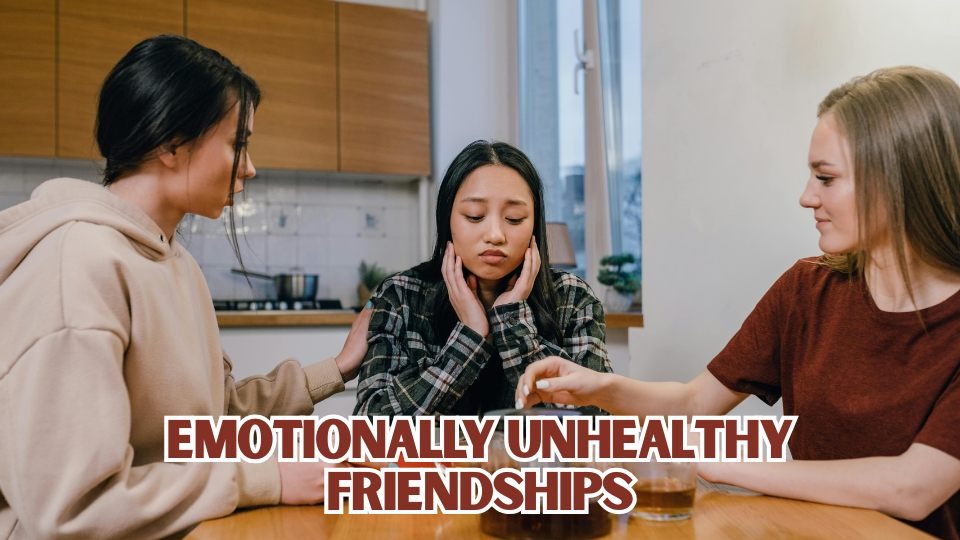
What Exactly Defines a Friendship as Emotionally Unhealthy
The term emotionally unhealthy friendships describes relationships where one or both individuals consistently experience emotional harm, psychological manipulation, or mental exhaustion as a direct result of maintaining the connection. Unlike occasional disagreements that occur in every healthy relationship, these toxic dynamics create persistent patterns of negativity that gradually destroy the affected person’s emotional foundation from the inside out.
Throughout history, human societies recognized the danger of harmful social bonds. Ancient philosophers like Aristotle categorized friendships into three types and warned specifically against relationships built solely on utility or pleasure without genuine mutual care. Medieval communities practiced social ostracism for individuals who repeatedly caused emotional harm to others. Modern psychology has expanded this understanding significantly, identifying specific toxic friendship patterns that operate through sophisticated emotional manipulation rather than obvious aggression. Today, emotionally unhealthy friendships represent a silent mental health crisis affecting millions who suffer without realizing the source of their emotional deterioration.
The Psychological Architecture of Toxic Friendship Bonds
Understanding the internal mechanics of destructive friendships reveals why intelligent emotionally aware people become trapped in relationships that objectively cause them tremendous harm. The answer lies deeper than most people expect.
How Trauma Bonding Keeps You Psychologically Trapped
One of the most dangerous aspects of emotionally unhealthy friendships is the trauma bonding cycle that develops through alternating periods of cruelty and kindness. When a toxic friend oscillates between warmth and emotional abuse, your brain creates powerful neurological attachments to the positive moments while normalizing the negative ones. This cycle mirrors the psychological patterns observed in codependent friendship dynamics where the victim becomes addicted to intermittent reinforcement.
Neuroscience confirms that unpredictable emotional rewards activate the dopamine system more intensely than consistent positive treatment. This explains why many people feel more attached to friends who treat them poorly than to stable supportive companions. The emotional rollercoaster literally rewires your reward pathways making emotional detachment from toxic people feel neurologically similar to withdrawal from an addictive substance.
Why Manipulative Friends Target Specific Personality Types
Not everyone becomes equally vulnerable to manipulative social bonds. Research consistently shows that highly empathetic, conflict avoidant, and people pleasing personalities attract toxic individuals disproportionately. These personality traits make setting boundaries feel selfish and confrontation feel dangerous, creating the perfect environment for emotionally unhealthy friendships to flourish unchallenged for years or even decades.
Recognizing the Warning Signs Before Damage Becomes Permanent
Identifying toxic friendship patterns early prevents years of accumulated psychological harm. However, recognition requires honest self assessment that many people avoid because the truth feels overwhelming.
Emotional Patterns That Signal Toxicity
Emotionally unhealthy friendships share remarkably consistent behavioral signatures regardless of age, gender, or cultural context. The friend consistently dismisses your feelings while demanding validation for theirs. Conversations always redirect toward their problems while yours receive minimal attention. You feel emotionally drained after every interaction rather than energized and supported. Your accomplishments trigger their jealousy or passive aggressive minimization instead of genuine celebration.
The Gradual Erosion Nobody Notices Until It Is Too Late
The most dangerous characteristic of emotionally unhealthy friendships is their gradual progression. Toxic behavior rarely begins at full intensity. It escalates slowly over months and years, allowing your tolerance threshold to shift incrementally without conscious awareness. By the time you recognize the damage, your self worth has already been significantly compromised, making self worth recovery after friendship abuse a necessary but challenging process.
A Strategic Framework for Escaping Toxic Friendships Safely
Breaking free from emotionally unhealthy friendships requires more than simply deciding to leave. It demands a structured approach that protects your mental health during the transition period.
Step One Validate Your Experience Without External Approval
The first and most critical step involves trusting your own emotional experience without seeking validation from the toxic friend or mutual acquaintances who may minimize your pain. Codependent friendship dynamics train you to doubt your own perceptions, so consciously choosing to believe your feelings represents a revolutionary act of self reclamation.

Step Two Implement Gradual Boundary Escalation
Friendship boundary setting techniques work most effectively when implemented progressively rather than abruptly. Begin by reducing response times to messages. Then limit the frequency of meetups. Next establish specific topics that are no longer open for discussion. This gradual approach protects you from the explosive confrontation that toxic individuals often use to regain control when they sense you pulling away.
Step Three Create Your Emotional Safety Network
Before fully distancing yourself, build a support system of healthy individuals who can provide the emotional stability you need during the transition. Emotional detachment from toxic people becomes significantly easier when you have alternative sources of genuine care and understanding already in place.
Common Challenges People Face When Leaving Toxic Friendships
Even with determination and strategy, escaping emotionally unhealthy friendships involves predictable obstacles. Here are the most critical ones with protective solutions.
- Guilt about abandoning someone who claims to need you is the most powerful weapon toxic friends deploy, so reminding yourself that friendship boundary setting techniques are acts of self preservation rather than cruelty neutralizes this manipulation instantly.
- Mutual friends taking sides creates social pressure to reconcile, but recognizing that manipulative social bonds often include audience manipulation where the toxic person controls shared narratives helps you stay committed to your decision regardless of external opinions.
- Grieving the friendship you wished it had been rather than what it actually was creates emotional confusion, and allowing yourself to mourn the idealized version while accepting the toxic reality accelerates self worth recovery after friendship abuse significantly.
- Fear of loneliness after separation tempts many people back into codependent friendship dynamics, so proactively building new healthy connections before and during the separation process ensures isolation never becomes your only alternative.
- The toxic friend attempting to hoover you back through sudden kindness and dramatic apologies tests your resolve intensely, but understanding that this behavior is a calculated manipulation tactic within toxic friendship patterns rather than genuine change empowers you to maintain emotional detachment from toxic people permanently.
Why Choosing Yourself Is Not Selfish
Leaving emotionally unhealthy friendships is one of the most courageous decisions any person can make. Society conditions us to believe that ending friendships represents failure, but removing yourself from relationships that systematically destroy your mental health is the ultimate act of self respect. Self worth recovery after friendship abuse begins the moment you decide that your emotional wellbeing matters more than maintaining a connection built on manipulation and pain.
Every friendship boundary setting technique you implement strengthens your psychological resilience for future relationships. Emotionally unhealthy friendships teach you exactly what you refuse to tolerate, transforming painful experience into powerful wisdom that protects you for the rest of your life. You deserve connections that heal rather than harm and choosing yourself is always the right decision.
Conclusion:
Recognizing and escaping emotionally unhealthy friendships is a transformative act of courage that fundamentally reshapes your mental health, self perception, and future relationship standards permanently. This comprehensive guide decoded the psychological architecture behind toxic friendship patterns, revealed the neuroscience of trauma bonding within manipulative social bonds, and provided a strategic framework for implementing friendship boundary setting techniques that protect your emotional wellbeing without unnecessary confrontation. The essential truth is that codependent friendship dynamics thrive only when you remain unaware of their mechanisms. Once you understand how emotionally unhealthy friendships operate through gradual erosion and intermittent reinforcement, their power over you diminishes dramatically.
Emotional detachment from toxic people becomes possible when supported by a strong safety network and deliberate self worth recovery after friendship abuse. Every boundary you establish rebuilds the psychological foundation that toxicity destroyed. Emotionally unhealthy friendships do not define your value. They reveal your strength when you finally choose to walk away. You deserve relationships that nurture your growth, celebrate your existence, and honor your emotional boundaries without exception. Start your healing journey today.