We scroll, we like, we share yet millions of us feel more isolated than ever, and social media and loneliness statistics paint a striking picture of this modern paradox. Despite being more connected online than any generation before us, rising rates of social isolation and declining mental health suggest that our digital communication habits may come at an emotional cost.
This article explores the latest research and data linking screen time to feelings of disconnection across age groups. From teenagers struggling with comparison culture to adults experiencing emotional well-being challenges, we’ll examine what the numbers truly reveal. You’ll discover surprising trends, understand the science behind these findings, and learn practical insights to navigate your online connections more mindfully. Let’s dive into the data shaping our digital reality.
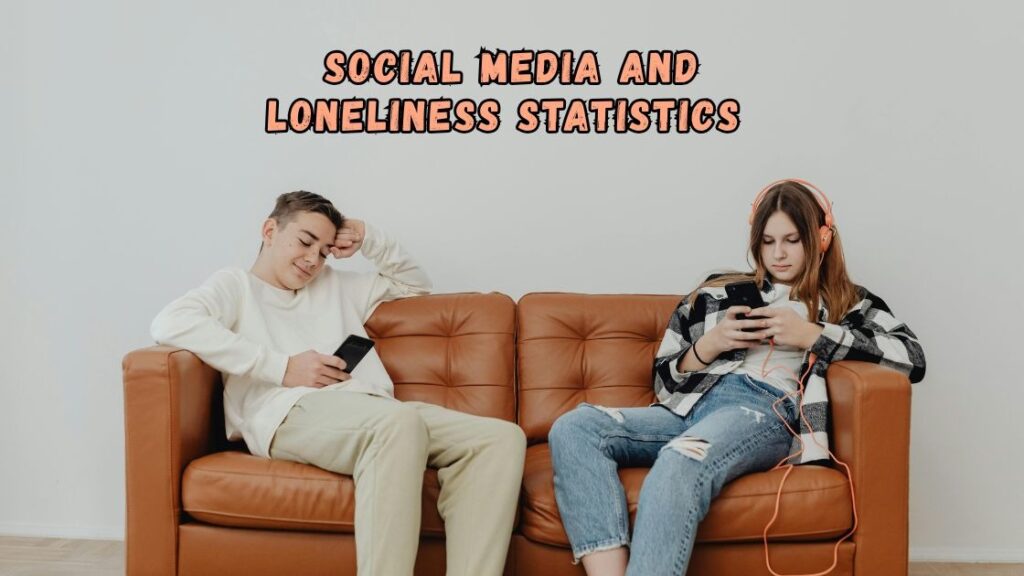
Understanding Social Media and Loneliness Statistics: The Digital Isolation Connection
The relationship between social media and loneliness statistics has become a focal point of psychological research worldwide. As digital platforms continue to dominate our daily interactions, scientists are uncovering surprising patterns about how online behavior affects our emotional wellbeing. Understanding these connections helps us navigate the digital landscape more thoughtfully while protecting our mental health.
Research consistently shows that the way we engage with technology matters more than simply whether we use it. Both active participation and passive consumption create different psychological outcomes, making this topic more nuanced than many people realize.
What Research Reveals About Online Habits and Isolation
Recent studies examining social media and loneliness statistics have produced compelling findings that deserve attention. Oregon State University’s 2025 study found that adults with the highest platform usage frequency face double the risk of experiencing isolation. This pattern holds true across age groups, from young adults to those in their seventies.
The data becomes more striking when we consider daily habits. Estimates suggest it’s not uncommon for a person to check in with social media between 100 and 200 times a day and to spend two to four hours on their platforms of choice. This constant digital engagement appears connected to declining face to face interaction and reduced psychological wellbeing.
Key Findings From Recent Studies
A 2025 study published in Annals of the New York Academy of Sciences examined 1,632 young adults and discovered that platform type significantly influences outcomes. The researchers found that networking social media platforms such as Facebook, Instagram and Twitter were not especially associated with loneliness, but sites that promote passive consumption such as YouTube and Reddit were linked with heightened loneliness.
The Scope of Loneliness in Modern Society
Social media and loneliness statistics paint a concerning picture of contemporary life. Approximately half of all American adults currently experience feelings of loneliness. This epidemic existed before the pandemic but worsened significantly during periods of physical distancing when people relied more heavily on digital communication as their primary social outlet.
Young adults between ages 18 and 34 report the highest levels of social isolation across all demographics. This contradicts the common assumption that elderly individuals suffer most from disconnection. The data suggests that growing up with smartphones and constant connectivity does not automatically translate to meaningful relationships.
Why Platform Type Matters for Emotional Health
Not all online connections affect us equally. Research distinguishes between platforms that encourage active engagement versus those promoting passive scrolling. Understanding these differences helps explain why some users experience greater emotional distress than others.
- Messaging apps like WhatsApp show association with lower isolation levels
- Platforms encouraging passive consumption correlate with increased loneliness
- Frequent short checks produce similar effects as extended browsing sessions
- Compulsive social media use amplifies negative psychological outcomes
- Online victimization experiences significantly increase isolation feelings
The Bidirectional Relationship Explained
Researchers studying social media and loneliness statistics have identified a complex, two way relationship between platform use and isolation. A meta analysis of 26 longitudinal studies involving nearly 25,000 participants confirmed that loneliness can drive increased screen time, while excessive usage can also intensify feelings of disconnection.
This creates what psychologists call a feedback loop. People feeling isolated may turn to digital platforms seeking connection, but the type of engagement they find often fails to satisfy their emotional needs. The result is more time spent online without meaningful improvement in their social wellbeing.

How Different Age Groups Are Affected
Social media and loneliness statistics vary significantly across generations. A higher frequency of in-person and phone contact was associated with a 20 to 30 percent decrease in odds of being lonely in middle-aged adults and older adults. Meanwhile, younger users often substitute digital interactions for real world relationships without recognizing the emotional cost.
Older adults described as digital immigrants may struggle more with platform nuances, potentially explaining some connection to isolation in this population. However, the fundamental pattern of correlation between heavy usage and loneliness remains consistent regardless of age or technological fluency.
Practical Implications for Daily Digital Habits
Understanding social media and loneliness statistics empowers users to make healthier choices. The research suggests several protective strategies worth considering.
- Prioritize messaging over passive scrolling for meaningful connections
- Balance online engagement with regular in person interactions
- Monitor total daily usage and set intentional boundaries
- Choose platforms encouraging active communication over content consumption
- Recognize when digital habits become compulsive or emotionally draining
The evidence clearly indicates that mindful engagement produces better outcomes than unrestricted usage. While social platforms offer genuine benefits for maintaining relationships, they cannot fully replace the depth and satisfaction of real world connections.
Conclusion
The evidence surrounding social media and loneliness statistics reveals a complex relationship between our digital habits and emotional health. Research consistently shows that passive scrolling, compulsive usage, and reduced face to face interaction contribute to increased feelings of isolation across all age groups. However, platforms encouraging active communication can support genuine connection.
Understanding these social media and loneliness statistics empowers us to make intentional choices about our screen time and online engagement. By prioritizing meaningful interactions over mindless consumption, we can enjoy the benefits of digital communication while protecting our mental health and overall psychological wellbeing.