Cultural misunderstandings can silently sabotage relationships, business deals, and international collaborations if left unchecked. In today’s interconnected world, recognizing and addressing these gaps is more crucial than ever. This article will explore cross-cultural communication, cultural intelligence, intercultural conflict, global etiquette, multicultural awareness, and communication barriers, offering practical, evidence-based strategies to navigate complex interactions.
By understanding why misinterpretations occur and how different cultural frameworks influence behavior, you’ll gain insights into preventing misunderstandings before they escalate. We’ll examine real-world examples, highlight expert research, and provide actionable approaches to improve team collaboration, negotiation skills, and overall intercultural competence. Whether you are a business professional, educator, or global traveler, this guide equips you with tools to foster respectful, effective, and meaningful communication across cultures.
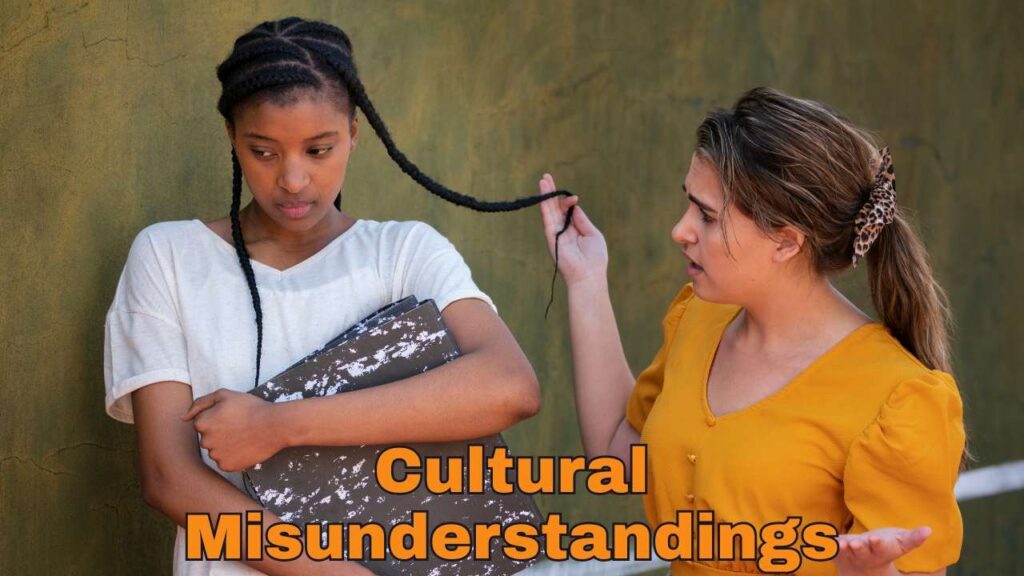
Understanding Cultural Misunderstandings
Cultural misunderstandings occur when people from different backgrounds interpret behaviors, words, or actions differently. These differences can stem from language barriers, social norms, traditions, or even non-verbal communication styles. The concept is not new; it has been a challenge throughout history as humans have interacted across regions and civilizations. Early explorers, traders, and diplomats often faced difficulties because they misunderstood local customs or protocols. Today, globalization has increased the frequency and impact of such misunderstandings, making it essential for individuals and organizations to develop cultural awareness. Recognizing the root causes of it can prevent conflicts, build trust, and foster more effective communication.
Historical Background
They are not merely modern phenomena. In ancient trade routes such as the Silk Road, merchants often misinterpreted negotiation styles, gift-giving rituals, or greetings, leading to strained relationships. During colonial periods, misunderstandings between local populations and foreign powers resulted in social tensions and political conflicts. Anthropologists and sociologists have studied these interactions extensively, revealing patterns that persist in modern workplaces and social environments. Understanding the historical context helps in recognizing that cultural misunderstandings are often systemic and predictable rather than random occurrences.
Importance of Understanding Cultural Misunderstandings
Comprehending cultural differences is critical for personal, professional, and social growth. In multinational companies, for example, misinterpretation of instructions or feedback can disrupt team dynamics. Similarly, travelers who fail to understand local etiquette may unintentionally offend hosts, creating uncomfortable situations. Awareness of cultural differences allows individuals to communicate effectively, avoid conflicts, and respect diverse perspectives. Organizations that prioritize cultural understanding also benefit from higher employee engagement, stronger client relationships, and smoother international collaborations.
Common Causes of Cultural Misunderstandings
Language Barriers
Language differences are a primary source of miscommunication. Words may carry multiple meanings, idioms may be unfamiliar, and tone can be misinterpreted. For instance, the phrase “let’s table this discussion” can mean postponing in the United States, but in the United Kingdom, it can indicate bringing it to the forefront. Misunderstanding such nuances can cause confusion in professional or social settings.
Non-Verbal Communication Differences
Nonverbal communication, including body movements, gestures, eye contact, and the use of personal space, differs significantly across cultures.Behaviors that are seen as polite in one culture can be offensive in another. For example, maintaining strong eye contact is a sign of confidence in Western societies, while in some Asian cultures, it may be perceived as disrespectful. Misreading these cues often leads to unintentional offense.
Differing Social Norms
Cultural norms influence daily behavior, decision-making, and social expectations. Factors like hierarchy, punctuality, and directness can create friction if not understood. Employees from hierarchical cultures may feel uncomfortable with informal communication styles common in egalitarian workplaces, which may affect productivity and collaboration.
Assumptions and Stereotypes
Preconceived notions or stereotypes about a culture can exacerbate misunderstandings. Assuming that behaviors align with cultural clichés often leads to misinterpretation. Instead, approaching each interaction with curiosity and openness reduces the likelihood of conflict.
Benefits of Addressing Cultural Misunderstandings
- Enhanced communication and collaboration across diverse teams
- Reduced risk of conflicts and misinterpretations
- Improved problem-solving through diverse perspectives
- Greater empathy and respect for different cultural practices
- Strengthened personal and professional relationships
Recognizing and addressing cultural misunderstandings enables individuals to interact more effectively in professional and personal environments. For organizations, fostering cultural competence among employees leads to better negotiation outcomes and higher client satisfaction. On a personal level, understanding cultural nuances enhances travel experiences, friendships, and community engagement.
Strategies to Prevent Cultural Misunderstandings
Develop Cultural Awareness
Learning about other cultures’ history, values, and traditions builds understanding. This knowledge allows individuals to anticipate potential conflicts and adapt their communication style. Participating in cultural training programs or workshops is an effective way to enhance awareness.
Active Listening
Listening carefully and asking clarifying questions helps prevent assumptions and misinterpretations. When interacting with people from different backgrounds, focusing on understanding rather than responding immediately ensures messages are interpreted accurately.
Adapt Communication Styles
Flexibility in communication reduces the risk of misunderstandings. Adjusting tone, pace, or formality according to cultural expectations can improve clarity. For instance, indirect communication may be preferred in some East Asian cultures, while direct feedback is valued in Western contexts.
Encourage Open Dialogue
Creating an environment where individuals feel comfortable discussing differences fosters mutual understanding. Encouraging team members to share their perspectives and experiences helps uncover hidden biases and assumptions that can cause cultural misunderstandings.
Use Examples and Case Studies
Practical examples highlight the impact of cultural misunderstandings. For instance, a multinational marketing campaign may fail if slogans are translated literally without considering local context. Similarly, cross-cultural negotiation can stall if gestures or expressions are misinterpreted. Learning from real-life scenarios provides actionable insights for future interactions.

Challenges in Managing Cultural Misunderstandings
Despite awareness and preparation, challenges remain. Implicit biases, ingrained behaviors, and unconscious assumptions can be difficult to overcome. Rapid changes in technology and global work environments introduce new contexts where misunderstandings may arise. Balancing respect for cultural norms with organizational goals or personal values requires continuous effort and reflection.
Overcoming Challenges
- Seek continuous education and exposure to diverse cultures
- Practice empathy and suspend judgment during interactions
- Engage in mentorship or coaching programs focused on intercultural competence
- Review organizational policies to ensure they support inclusive communication
- Encourage feedback and learning from mistakes
Conclusion:
In summary, understanding cultural misunderstandings is essential for fostering effective communication and building meaningful relationships across diverse settings. By developing cultural awareness, practicing active listening, and adapting communication styles, individuals and organizations can prevent conflicts and enhance collaboration. Recognizing the importance of social norms, non-verbal cues, and global etiquette allows for smoother interactions and stronger connections. Addressing these challenges not only improves professional teamwork but also enriches personal experiences. Investing in cultural intelligence and intercultural competence ensures more respectful, productive, and harmonious engagements worldwide.