Robots are no longer a future concept. They are here right now, working in hospitals, farms, warehouses, schools, and even homes. The robotics industry was valued at over $65 billion in 2024, and according to the International Federation of Robotics (IFR), global robot installations hit a record 590,000 units in a single year. These numbers tell a simple story: robotics is growing fast, and it is changing how we live and work.
Table of Contents
But what exactly is happening in robotics right now? What are the biggest trends? And how will they affect ordinary people?
This article breaks down the most important robotics trends of 2026 in simple, clear language. Whether you are a student, a business owner, or just curious about technology, this guide will help you understand where robotics is headed and why it matters to you.
1. Collaborative Robots (Cobots) Are Becoming the Standard
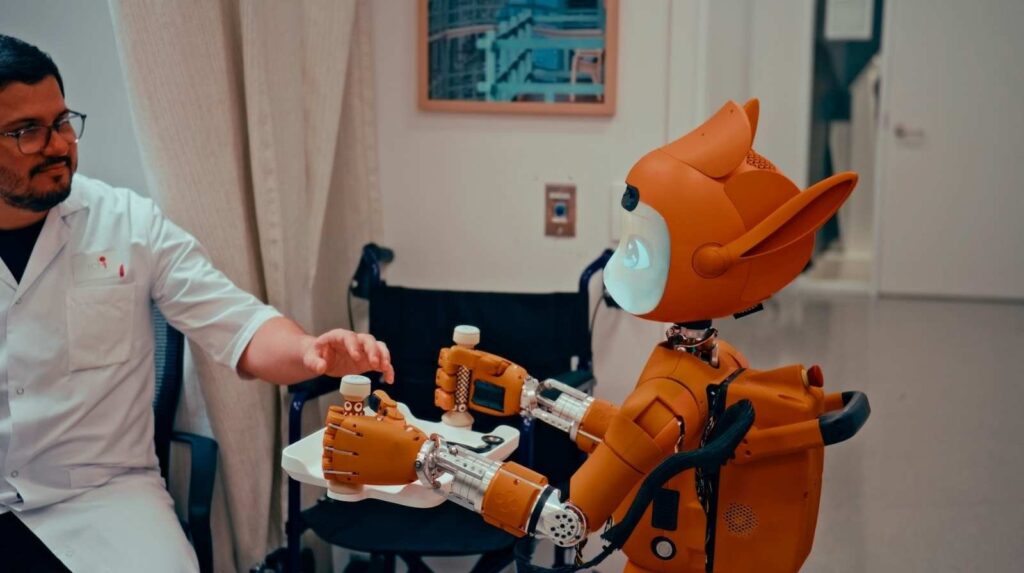
One of the clearest robotics trends today is the rise of collaborative robots, commonly known as cobots. These are robots built to work safely right next to human workers, not locked away behind safety cages like traditional industrial robots.
Cobots handle tasks that are repetitive, physically tiring, or dangerous. A factory worker, for example, might use a cobot to lift heavy parts while they focus on quality checks or assembly decisions. The cobot does the muscle work; the human does the thinking.
According to MarketsandMarkets research, the cobot market was projected to reach $9.2 billion by 2028, growing at a rate of roughly 32% per year. Companies like Universal Robots, FANUC, and ABB are leading this space. Industries using cobots include automotive manufacturing, food packaging, electronics assembly, and pharmaceuticals.
What makes cobots special is their affordability and ease of use. Small and medium-sized businesses that could never afford traditional industrial robots can now deploy a cobot for under $50,000. Many cobots can be programmed through simple drag-and-drop software, meaning you do not need an engineering degree to set one up.
Why this matters to you: Cobots are not replacing workers. They are making work safer and more productive. If you work in manufacturing, logistics, or packaging, you will likely work alongside a cobot within the next few years.
2. AI-Powered Robots Are Getting Smarter
Artificial intelligence is the engine behind smarter robots. The combination of AI and robotics is one of the most transformative trends happening today.
Modern robots use AI to learn from data, recognize objects, understand speech, and make decisions on their own. For example, robots in warehouses use computer vision to identify and sort packages. Robots in restaurants use natural language processing to take customer orders. Surgical robots use machine learning to improve precision over time.
Companies like NVIDIA are building AI chips specifically designed for robots. Their Jetson platform, for instance, gives robots the ability to process visual and sensor data in real time. Google DeepMind and OpenAI are also developing AI models that help robots learn physical tasks through simulation before performing them in the real world. This approach, called sim-to-real transfer, has dramatically reduced the time needed to train robots.
The real impact of AI in robotics is adaptability. Older robots could only follow pre-programmed instructions. If something unexpected happened, they stopped. AI-powered robots can adapt. They can handle new situations, learn from mistakes, and improve their performance over time.
Why this matters to you: AI-driven robots will change customer service, healthcare, and retail. You may already interact with AI-powered robots without realizing it, from self-checkout kiosks to automated phone support systems.
3. Autonomous Mobile Robots Are Reshaping Logistics
If you have ordered anything online recently, there is a good chance a robot helped get that package to you. Autonomous mobile robots (AMRs) are one of the fastest-growing robotics trends in the logistics and supply chain sector.
AMRs move independently through warehouses and fulfillment centers. They pick products from shelves, transport goods to packing stations, and manage inventory without needing a human driver. Unlike older automated guided vehicles (AGVs) that followed fixed tracks, AMRs use sensors, cameras, and AI to navigate dynamically around obstacles and people.
Amazon currently operates more than 750,000 robots across its global fulfillment network. DHL, FedEx, and Walmart have also invested heavily in warehouse robotics. Startups like Locus Robotics and 6 River Systems (now owned by Shopify) are bringing AMR solutions to smaller retailers.
The results are real. Companies using AMRs report up to 3x faster order fulfillment and significant reductions in labor costs. With global e-commerce sales expected to surpass $7 trillion, the demand for warehouse robots will only increase.
Why this matters to you: Faster deliveries, fewer shipping errors, and lower costs for online shopping are all direct benefits of AMRs in logistics.
4. Healthcare Robots Are Saving Lives
Healthcare is one of the most meaningful areas where robotics trends are making a real difference. Robots are not replacing doctors or nurses. They are giving medical professionals better tools to do their jobs.
Surgical robots like Intuitive Surgical’s da Vinci system allow surgeons to perform complex operations through tiny incisions with greater precision than the human hand alone. Over 12 million procedures have been performed using da Vinci systems worldwide. Patients benefit from smaller scars, less pain, and faster recovery times.
Beyond surgery, robots are assisting in rehabilitation. Exoskeleton robots from companies like Ekso Bionics help stroke patients and those with spinal cord injuries regain the ability to walk. In hospitals, autonomous robots deliver medications, transport lab samples, and disinfect rooms using UV light, reducing the risk of hospital-acquired infections.
With the global population aging rapidly, healthcare robotics is expected to become even more important. The World Health Organization estimates that by 2030, one in six people worldwide will be 60 years or older. Robots will help bridge the growing gap between healthcare demand and available staff.
Why this matters to you: If you or a family member ever needs surgery, rehabilitation, or hospital care, there is a growing chance that a robot will be part of your treatment, making it safer and more effective.
5. Agricultural Robots Are Securing Our Food Supply
Farming might not be the first thing that comes to mind when you think of robots, but agriculture is one of the most exciting areas in robotics right now.
Agricultural robots, sometimes called agri-bots, handle planting, weeding, harvesting, and crop monitoring. Companies like John Deere have invested billions in autonomous tractor technology. Their See and Spray system uses AI-powered cameras to identify weeds and apply herbicide only where needed, reducing chemical use by up to 77%.
Startups like Carbon Robotics use high-powered lasers to kill weeds without chemicals. Harvest CROO Robotics has built machines that can pick strawberries, a task that has traditionally required large amounts of manual labor. Drones monitor fields from above, using multispectral imaging to detect crop diseases before they spread.
Labor shortages are a real crisis in agriculture. In the United States alone, the farm labor workforce has been declining for decades. Robots offer a practical solution: they work around the clock, are not affected by weather conditions the same way humans are, and they improve precision in resource use, meaning less water waste and fewer chemicals entering the environment.
Why this matters to you: Agricultural robots help keep food affordable and sustainable. As climate change and population growth put pressure on global food systems, these robots are part of the solution.
6. Service Robots Are Becoming Part of Daily Life
You have probably already encountered a service robot without thinking much about it. These robots operate in hotels, airports, restaurants, retail stores, and even homes.
In hotels, robots like those built by Savioke deliver room service items and amenities to guests. In airports, cleaning robots from companies like Avidbots scrub terminal floors autonomously. In restaurants, particularly across Asia, robotic waiters deliver food to tables.
The home robot market is also expanding. Beyond robotic vacuums like Roomba, companies are developing robots that can mow lawns, clean gutters, and even fold laundry. Amazon’s Astro home robot uses AI to patrol homes, check on family members, and integrate with smart home systems.
The service robot market was valued at approximately $37 billion in 2023 and is expected to grow rapidly as the technology improves and costs come down. Customer acceptance is also increasing as people become more comfortable interacting with robots in everyday settings.
Why this matters to you: Service robots save time, reduce costs for businesses, and improve convenience for customers. You will see more of them in your daily life over the coming years.
7. Robots in Education Are Preparing the Next Generation
Robots are changing how children and young adults learn. Educational robotics is a growing trend that is helping students build skills they will need in a technology-driven economy.
Programs using robots like LEGO Mindstorms, VEX Robotics, and Sphero teach children coding, engineering, and problem-solving in hands-on ways that textbooks cannot match. In Japan and South Korea, humanoid robots serve as classroom assistants, helping young children learn languages and social skills.
At the university level, robotics research is producing breakthroughs in areas like soft robotics, swarm intelligence, and human-robot interaction. Students working in robotics labs gain practical experience that prepares them for careers in one of the fastest-growing technology sectors.
Why this matters to you: If you have children or are involved in education, robotics programs are a valuable way to prepare young people for future careers. These skills are in high demand across multiple industries.
8. Ethical Questions We Must Address
No discussion of robotics trends is complete without talking about the challenges. As robots become more capable and widespread, society must deal with some important questions.
Job displacement is a legitimate concern. While robots create new types of jobs, they also make some existing roles unnecessary. The World Economic Forum estimated that automation could displace 85 million jobs by 2025 while creating 97 million new ones. The net effect may be positive, but the transition is not easy for workers whose skills become outdated.
Privacy is another issue. Robots equipped with cameras and sensors collect large amounts of data. Who owns that data? How is it stored? Who can access it? These questions do not yet have clear answers in most countries.
There is also the matter of safety and accountability. If an autonomous robot causes an accident, who is responsible? The manufacturer? The software developer? The owner? Legal frameworks are still catching up to the technology.
Why this matters to you: These are not abstract problems. They affect real people. Supporting responsible robotics development, including retraining programs for workers and strong data privacy laws, is something everyone should care about.
What Comes Next: The Future of Robotics
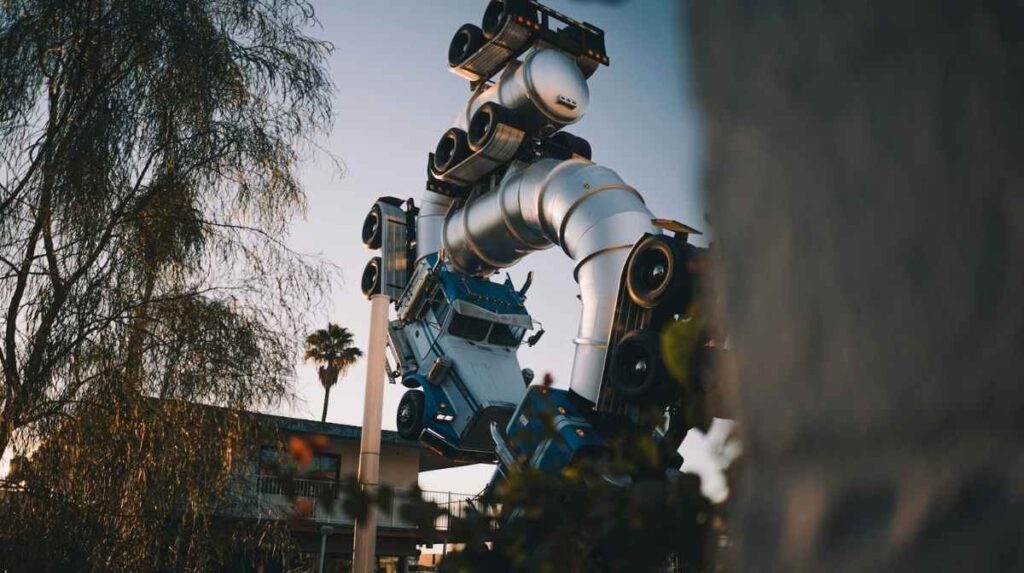
Looking ahead, several converging technologies will push robotics even further. The rollout of 5G and upcoming 6G networks will give robots faster, more reliable connectivity. Cloud computing and edge AI will allow robots to share data and learn from each other in real time. The Internet of Things (IoT) will connect robots to smart environments, making them more context-aware.
In smart cities, robots may manage traffic flow, inspect infrastructure, deliver emergency medical supplies, and monitor air quality. In homes, personal robots may provide companionship and caregiving support for elderly individuals, a critical need as populations age worldwide.
Humanoid robots are also advancing rapidly. Companies like Tesla (with Optimus), Boston Dynamics, and Figure AI are developing general-purpose humanoid robots designed to perform a wide range of tasks. While fully autonomous humanoids are still years away from widespread adoption, the progress in this area has been remarkable.
Conclusion
Robotics is not some far-off future. It is happening right now, across industries and in our daily lives. From cobots on factory floors to surgical robots in operating rooms, from autonomous tractors in fields to delivery robots in warehouses, the evidence is clear: robots are becoming essential partners in human progress.
The key takeaway from these robotics trends is balance. Robots offer enormous benefits in productivity, safety, precision, and cost savings. But we also need thoughtful policies on workforce transition, data privacy, and accountability.
Understanding these trends is the first step. Whether you are planning a career, running a business, or simply trying to make sense of a changing world, staying informed about robotics will serve you well. The future is being built by humans and robots working together, and that future is already here.
What are the biggest robotics trends in 2026?
The biggest trends include collaborative robots in manufacturing, AI-powered autonomous machines, robots in healthcare and agriculture, service robots in hospitality, and the growing role of robots in education. Ethical considerations around job displacement and data privacy are also major discussion points.
Will robots take my job?
Some jobs will change, and some will disappear. But robotics also creates new roles in programming, maintenance, supervision, and design. The key is adapting your skills. Workers who learn to work alongside robots will be in strong demand.
How much does a robot cost?
It depends on the type. A collaborative robot for a small factory can cost between $25,000 and $50,000. Advanced surgical robots can cost over $1 million. Consumer robots like robotic vacuums start under $300.
Are robots safe to work with?
Modern cobots are specifically designed with safety features like force-limiting sensors and automatic shutoffs. Strict safety standards, such as ISO 10218 and ISO/TS 15066, govern how robots operate around humans.
How is AI making robots better?
AI gives robots the ability to learn, adapt, and make decisions. This means they can handle unexpected situations, improve their performance over time, and interact more naturally with people.
Pingback: The Future of Mobile Technology: Merging AI, AR, and Sustainability for a Smarter Tomorrow - Techyways